Acne Scars, Surgical Scars & Wound Scars
Dermis-level restructuring — scars replaced by healthy tissue from within
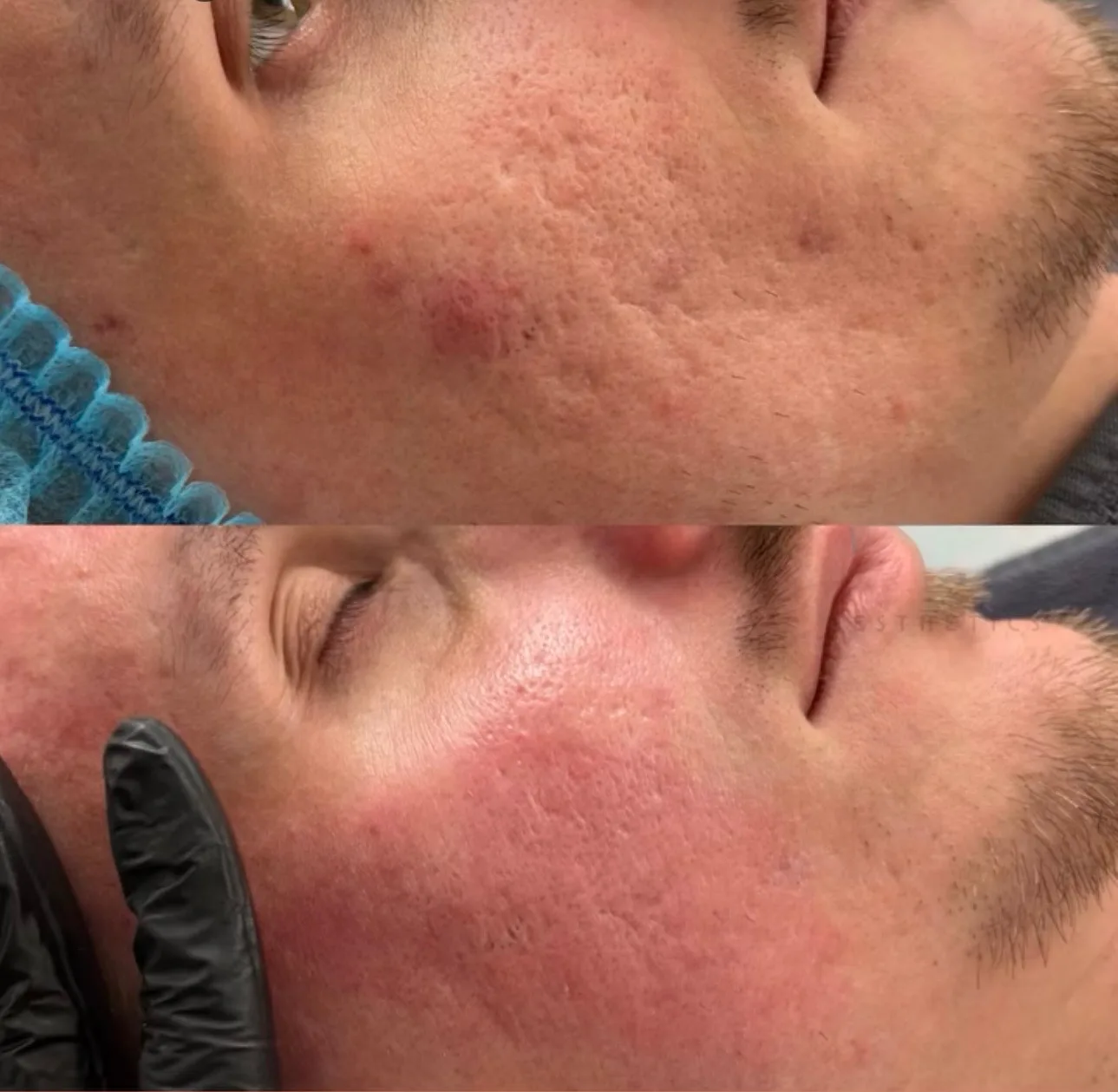 Before
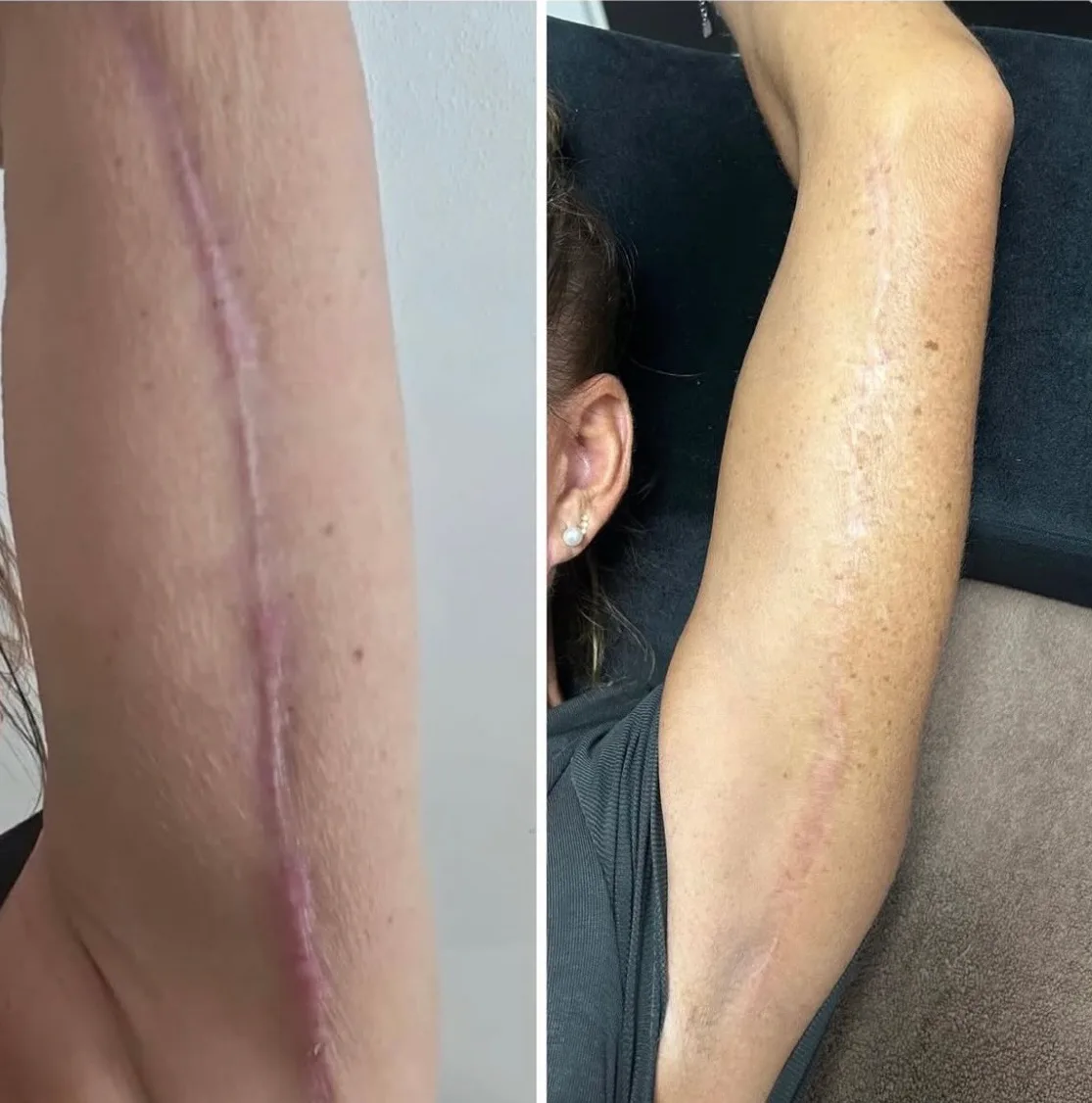 After
About the Condition
Scar tissue forms when the skin's wound-healing process produces collagen in a parallel, disorganized arrangement instead of the mesh-like structure of healthy skin. This difference makes scars permanent on the surface: atrophic (depressed) scars leave visible pits, hypertrophic scars rise above skin level, and keloid scars extend beyond the original wound boundary. Post-acne scars, surgical incision marks, and trauma wounds all share the same underlying problem — the dermis has not been remodeled back to its original architecture. Surface-level creams and oils cannot penetrate deep enough to restructure this fiber network, which is why scars often persist for years despite topical care.
How Plasma Works
The treatment targets the exact depth where scar tissue lives — the dermis — by combining broad tissue stimulation, targeted micro-injury, and accelerated recovery in a single protocol. First, derma plasma (80–140°C) is rolled across the entire scarred area. This produces a homogeneous thermal effect that increases local circulation, softens fibrotic tissue, and primes the dermis for remodeling. Enhanced blood flow brings oxygen and nutrients to the damaged zone, creating an optimal environment for repair. Next, the warm plasma silver needle tip (120–400°C) is applied point-by-point directly along each scar line and within deeply scarred zones. Each point application creates a precise micro-injury that reaches the dermis and triggers an intense wound-healing cascade. Fibroblasts activate, synthesize new collagen and elastin, and deposit these fibers in a regular, mesh-like structure — gradually replacing disorganized scar tissue with tissue that resembles healthy skin. Depressed scars rise at the base, surface irregularity decreases, and color difference approaches that of surrounding skin. Hyper plasma (30–35°C) closes every session. Applied across the full treatment area, it sterilizes the skin, suppresses inflammation, and shortens recovery time — especially important on acne-scarred or post-surgical skin where infection risk is a concern. The result is progressive dermis remodeling, not a surface cover-up, with texture and color improving over successive sessions.
Application Protocol
Clinical Notes
This is a progressive, cumulative protocol — dermis remodeling is a gradual biological process, and patient expectations must be set realistically from the first consultation. Newer pink-purple scars (within 6–12 months) respond more quickly because they retain vascularity and active inflammation; older white-silver scars are fibrotic and may require more sessions. The same protocol applies to surgical scars, trauma wounds, and stretch marks — the mechanism is identical: restructuring disorganized dermal collagen into healthy tissue architecture. In patients with keloid tendency, the protocol is contraindicated — there is a risk of stimulating further excessive collagen production. Those using oral isotretinoin (Accutane) must wait at least 6 months after discontinuation before starting scar treatment. Since warm plasma is included, temporary redness, sensitivity, dryness, and micro-crusting for a few days after each session are normal and expected.
Contraindications
- Keloid scar tendency
- Isotretinoin use (within last 6 months)
- Active skin infection in the treatment area
- Pregnancy and breastfeeding
- Blood clotting disorders
- Autoimmune diseases affecting skin healing (e.g., active lupus, scleroderma)
Protocol Details
Treatment Outcomes
- Reduces atrophic (depressed) and hypertrophic scars from the dermis level
- Restructures disorganized collagen into healthy tissue architecture
- Stimulates natural collagen and elastin production
- Applicable to acne scars, surgical scars, and trauma wounds
- Color and texture progressively blend with surrounding skin
- Accelerated recovery with hyper plasma sterilization support
Interested in This Treatment?
Our expert team has prepared a specialized protocol for Acne Scars, Surgical Scars & Wound Scars treatment.
Demo & ConsultationGet Protocol Training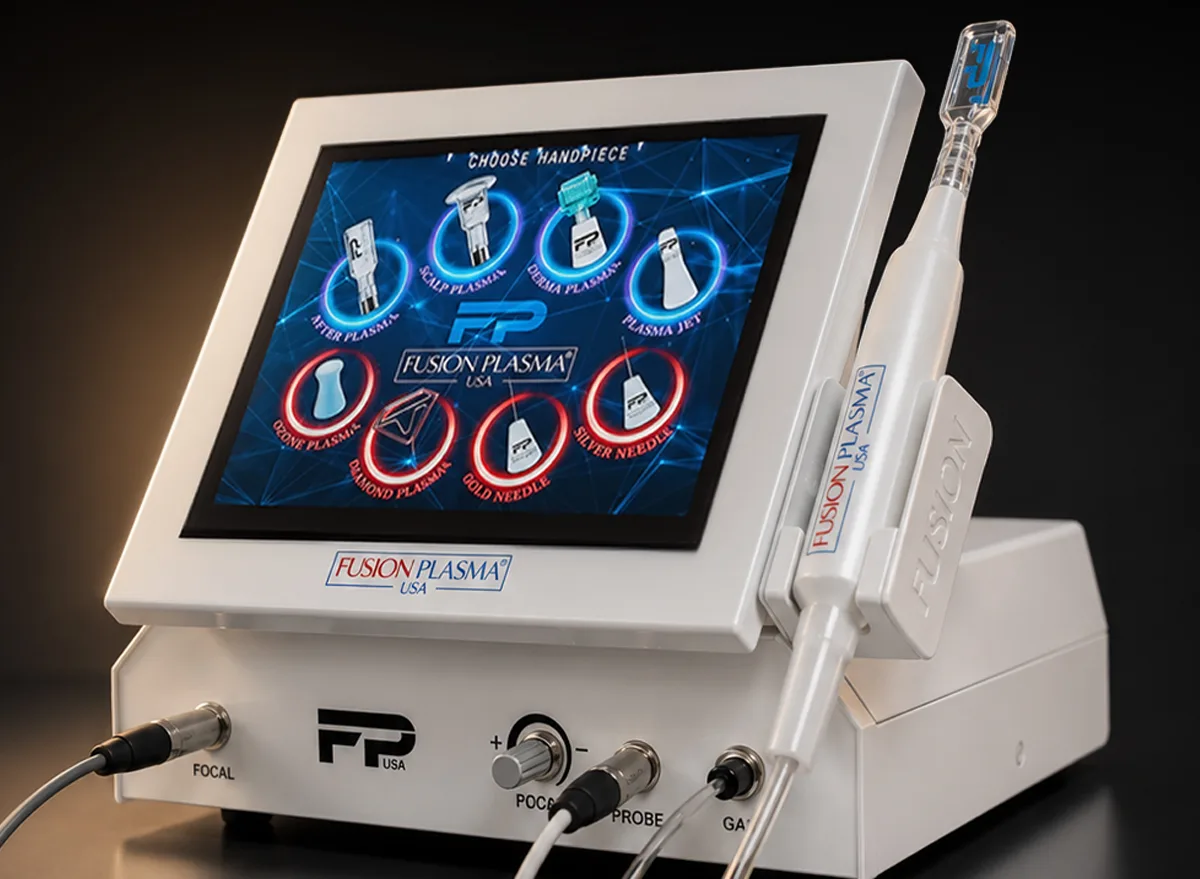
Fusion Plasma Pro Technology
This treatment is performed using a clinically developed protocol with the Cold Plasma and Warm Plasma technologies of the Fusion Plasma Pro device.