Fusion Plasma USAUSA
HomeWe Invented ItProductsTreatmentsDealersVideo LibraryTrainingEncyclopediaAbout UsContact
Get a Quote
HomeWe Invented ItProductsTreatmentsDealersVideo LibraryTrainingEncyclopediaAbout UsContact
Get a Quote
HomeFusion Plasma Encyclopedia
Scientific Knowledge Base

Fusion PlasmaEncyclopedia

Deep-dive scientific content for clinical professionals. From the physics of plasma to treatment protocols — the complete knowledge base behind Fusion Plasma technology.

Chapter 01
8 min read
Real Footage

Scientific Foundation

What is Plasma?

The Fourth State of Matter

Fourth State of Matter

Ionized gas with collective electromagnetic behavior

Electrically Conductive

Responds to electric & electromagnetic fields

99% of Visible Universe

Stars, lightning, auroras — all plasma states

Biologically Active

Generates ROS & RNS for therapeutic applications

Non-Thermal at 30–70°C

Cold plasma delivers energy without tissue damage

Clinically Safe

Controlled energy delivery, patented Fusion technology

Select Chapter
01What is Plasma?02How Cold Plasma Works03Warm Plasma Technology04ROS & RNS in Aesthetics05Clinical Protocols06Safety & Contraindications07What Is a Cold Plasma Device and How Does It Work?08Discover the Potential of Cold Plasma Uses09What Is Fusion Plasma?10How to Choose a Plasma Device for Your Clinic11How Does Fusion Plasma Work?
Reading Progress
1 of 9
Select Chapter
01What is Plasma?02How Cold Plasma Works03Warm Plasma Technology04ROS & RNS in Aesthetics05Clinical Protocols06Safety & Contraindications07What Is a Cold Plasma Device and How Does It Work?08Discover the Potential of Cold Plasma Uses09What Is Fusion Plasma?10How to Choose a Plasma Device for Your Clinic11How Does Fusion Plasma Work?

Full PDF Available

Request access to the complete Fusion Plasma Encyclopedia PDF with infographics.

Request Access
01

Chapter Overview

What is Plasma?

Plasma is often referred to as the "fourth state of matter," following solid, liquid, and gas. It is an ionized gas consisting of a mixture of electrons, ions, neutral atoms, molecules, excited species, and photons that exhibit collective behavior. Plasma is the most abundant form of visible matter in the universe, making up more than 99% of the observable cosmos — including stars, nebulae, lightning, and auroras.

01 of 09

Scientific Introduction

Plasma is the fourth state of matter formed when sufficient energy ionizes a gas, producing electrons, ions, and reactive species with unique physical and biological properties. Unlike conventional gas, plasma exhibits collective electromagnetic behavior — it responds to electric and magnetic fields, conducts electricity, and emits light across a broad spectrum.

More than 99% of visible matter in the universe exists in the plasma state.

02 of 09

How is Plasma Created?

Plasma is created when sufficient energy — thermal, electrical, or electromagnetic — is supplied to a gas, stripping electrons from their parent atoms. This produces a sea of free electrons and positive ions. The threshold energy required depends on the gas composition and pressure. In Fusion Plasma technology, controlled electrical parameters are used to create stable atmospheric plasma at room pressure.

Electrical energy separates electrons from atoms, creating an electrically active ionized gas under controlled atmospheric conditions.
Ionization Process
Fig 1.1

Ionization Process

Electrons separating from gas atoms under electrical energy
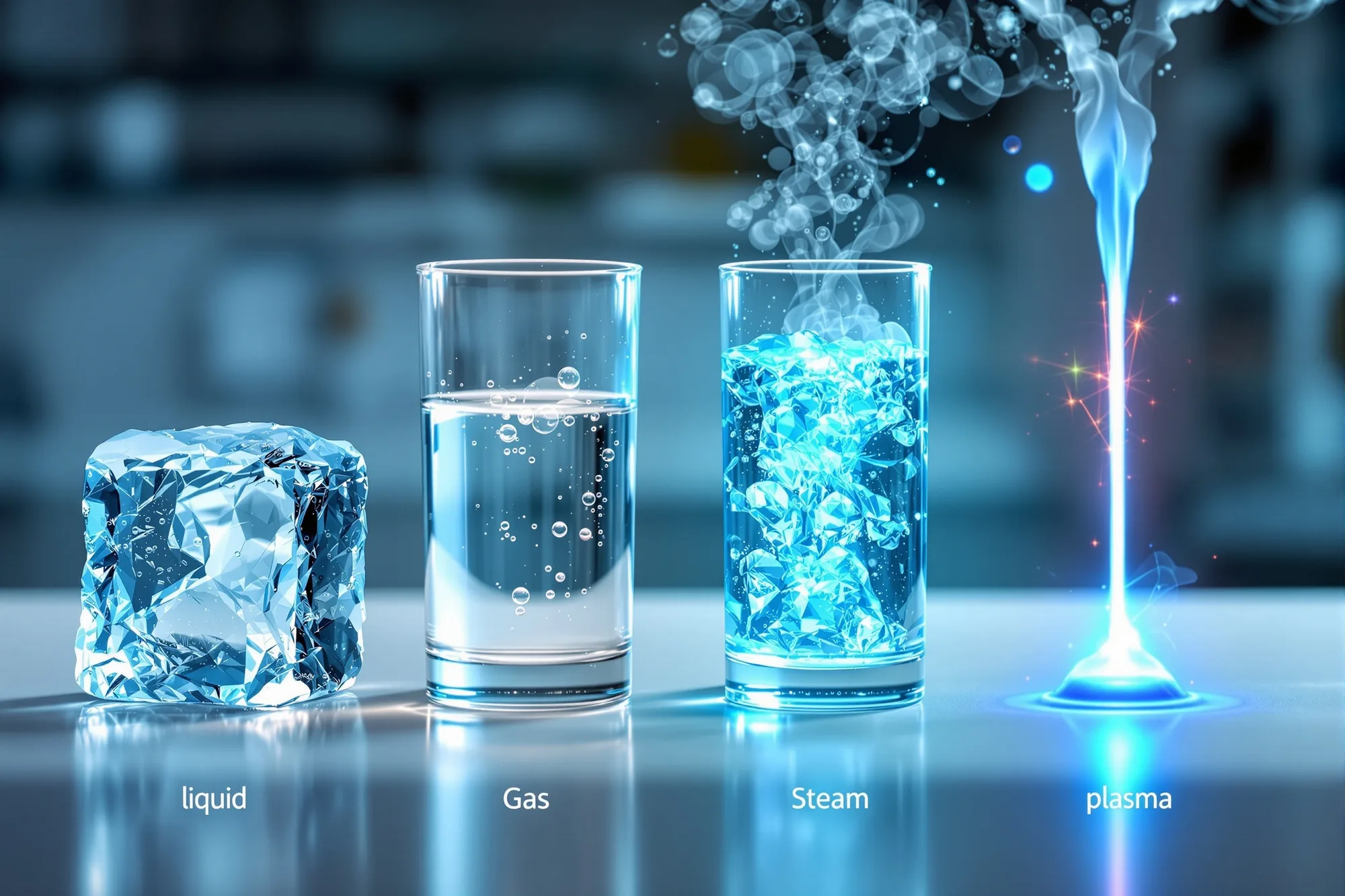
Four States of Matter
Fig 1.2

Four States of Matter

Solid → Liquid → Gas → Plasma: the energy progression

03 of 09

Plasma Filaments

Plasma filaments are thin, highly ionized channels of plasma that form along the path of least electrical resistance. In atmospheric plasma devices like Fusion Plasma, these filaments are visible as fine, luminous threads of energized gas. Each filament consists of densely packed electrons, ions, photons, and reactive oxygen and nitrogen species (ROS/RNS).

Fusion Plasma filaments deliver controlled energy through ROS/RNS without the need for direct thermal tissue damage.

04 of 09

Atmospheric Plasma Technology

Atmospheric plasma operates without a vacuum chamber and delivers controlled energy through charged particles, electric fields, and reactive chemical species. Unlike vacuum plasma used in industrial applications, atmospheric plasma can be generated at ambient pressure — making it suitable for medical and aesthetic applications. The key is precise control of electrical parameters to maintain stable, safe plasma generation.

Atmospheric plasma delivers therapeutic energy at room pressure — no vacuum, no chamber required.

05 of 09

Plasma in Nature

Plasma is not a laboratory curiosity — it is the dominant state of visible matter in the universe. Stars, including our Sun, are giant spheres of plasma. Lightning bolts are natural plasma discharges. The auroras (Northern and Southern Lights) are produced by plasma interactions between solar wind and Earth's magnetic field. Even flames contain partially ionized plasma.

More than 99% of the visible universe — including stars, lightning, and auroras — exists in the plasma state.

Aurora Borealis
Fig 5.1

Aurora Borealis

Solar wind plasma + Earth's magnetic field
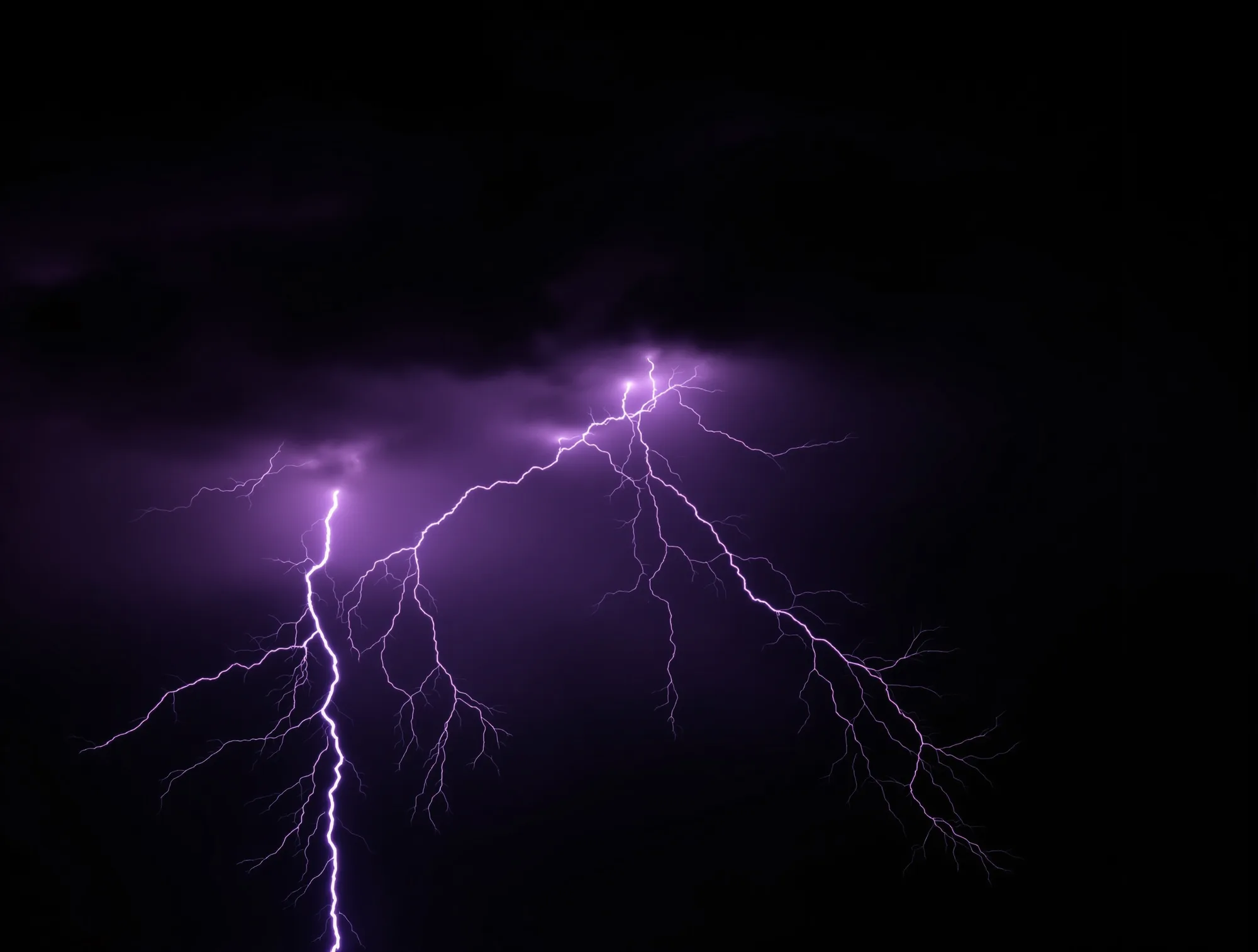
Lightning Discharge
Fig 5.2

Lightning Discharge

Natural plasma channel > 30,000°C
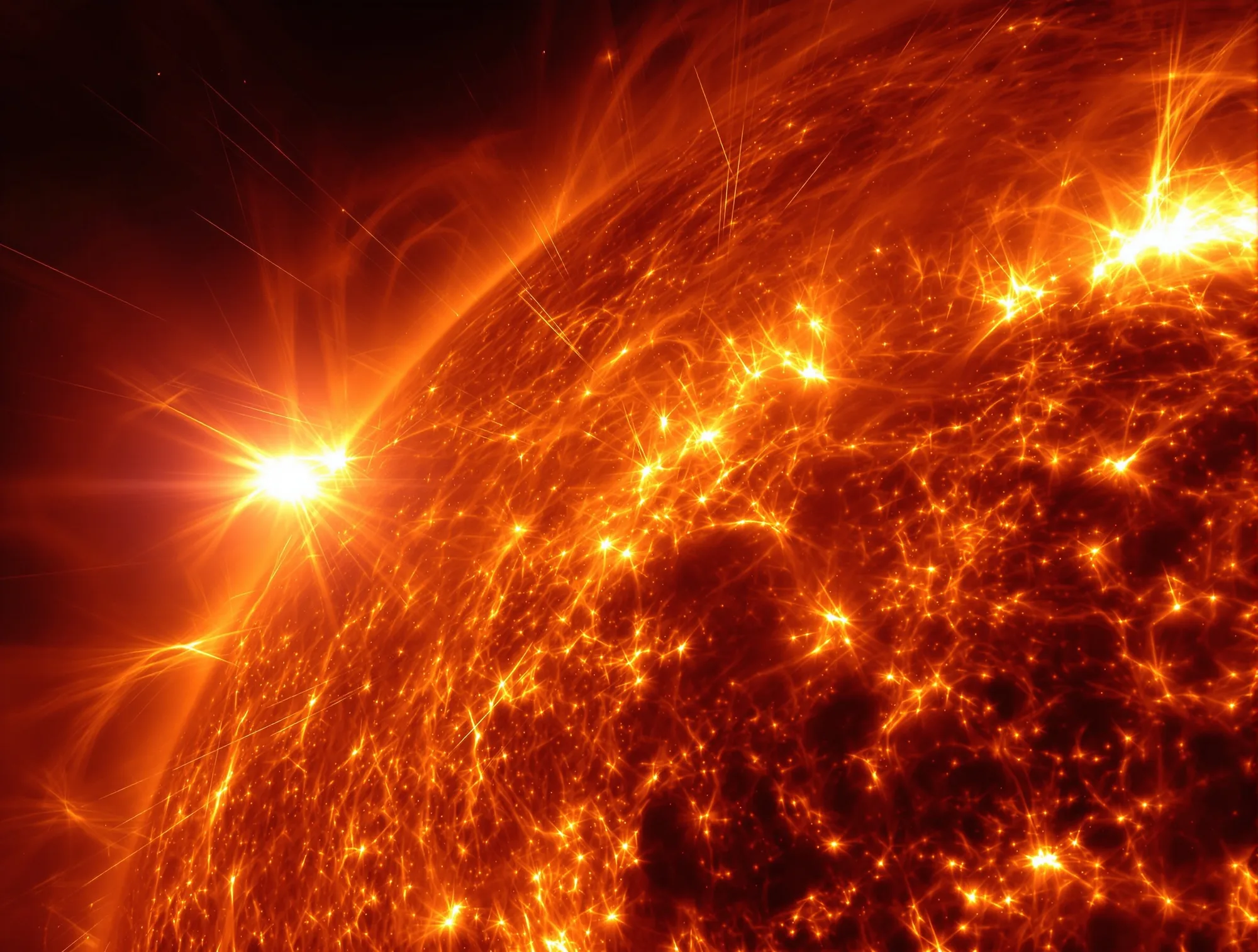
Solar Plasma
Fig 5.3

Solar Plasma

The Sun — 99.86% of solar system mass

06 of 09

Plasma in Modern Aesthetics

The controlled generation of atmospheric plasma has opened a new frontier in aesthetic medicine. When plasma contacts the skin, it generates reactive oxygen and nitrogen species (ROS/RNS) that trigger controlled biological responses — including collagen stimulation, cellular regeneration, and antimicrobial action. Cold plasma operates at temperatures between 30–70°C, making it safe for all skin types without thermal damage.

Fusion Plasma technology delivers precise, non-thermal energy for safe and effective aesthetic treatments.

07 of 09

Key Characteristics of Plasma

Plasma exhibits several unique properties that distinguish it from ordinary gases: it is electrically conductive, it emits electromagnetic radiation (light), it has long-range interaction (collective behavior), and it generates reactive chemical species when in contact with biological tissue. These properties form the scientific foundation of Fusion Plasma technology.

  • Fourth State of Matter — ionized gas with unique electrical properties
  • Created by Energy — sufficient energy separates electrons from atoms
  • Ubiquitous in Nature — present in stars, lightning, auroras, flames, and interstellar space
  • Biologically Active — generates ROS & RNS that play a key role in aesthetic applications
  • Electrically Conductive — responds to electric and electromagnetic fields
  • Controlled Energy Delivery — Fusion Plasma technology delivers precise, non-thermal energy
08 of 09

Biological Interaction

When atmospheric cold plasma contacts living tissue, a cascade of biological effects occurs. Reactive oxygen species (ROS) and reactive nitrogen species (RNS) are generated, which interact with cellular membranes, proteins, and DNA in a controlled, dose-dependent manner. At the correct energy levels, this stimulates: fibroblast activation and collagen synthesis, keratinocyte proliferation for wound healing, reduction of bacterial biofilms and pathogen inactivation, and enhanced absorption of topical serums.

Controlled plasma supports cosmetic protocols such as skin rejuvenation, scalp care, and microbial reduction when applied correctly.

Plasma–Skin Biological Interaction
Fig 8.1

Plasma–Skin Biological Interaction

Cold plasma generates ROS/RNS that penetrate epidermal layers, triggering fibroblast activation, collagen synthesis, keratinocyte proliferation, and antimicrobial action — all without thermal tissue damage

09 of 09

Fusion Plasma Technology

Fusion Plasma generates stable atmospheric plasma using optimized electrical parameters and dedicated applicators engineered for aesthetic use. Unlike consumer-grade "plasma pens" that rely on uncontrolled spark discharge, Fusion Plasma's patented system maintains consistent plasma filament generation, temperature control, and energy delivery across all 8 treatment tips. The system supports two distinct plasma modalities: Cold Plasma (30–70°C, argon & helium) and Warm Plasma (120–400°C, gas-free).

The original, patented Fusion Plasma device combining true Cold Plasma and Warm Plasma in a single clinical platform.

Chapter Summary

Plasma science forms the scientific foundation of Fusion Plasma technology. Understanding plasma at a fundamental level — how it is created, how it behaves, and how it interacts with biological tissue — is essential for clinical professionals who wish to achieve consistent, reproducible results. The following chapters will build on this foundation, exploring specific protocols, safety parameters, and clinical applications in depth.
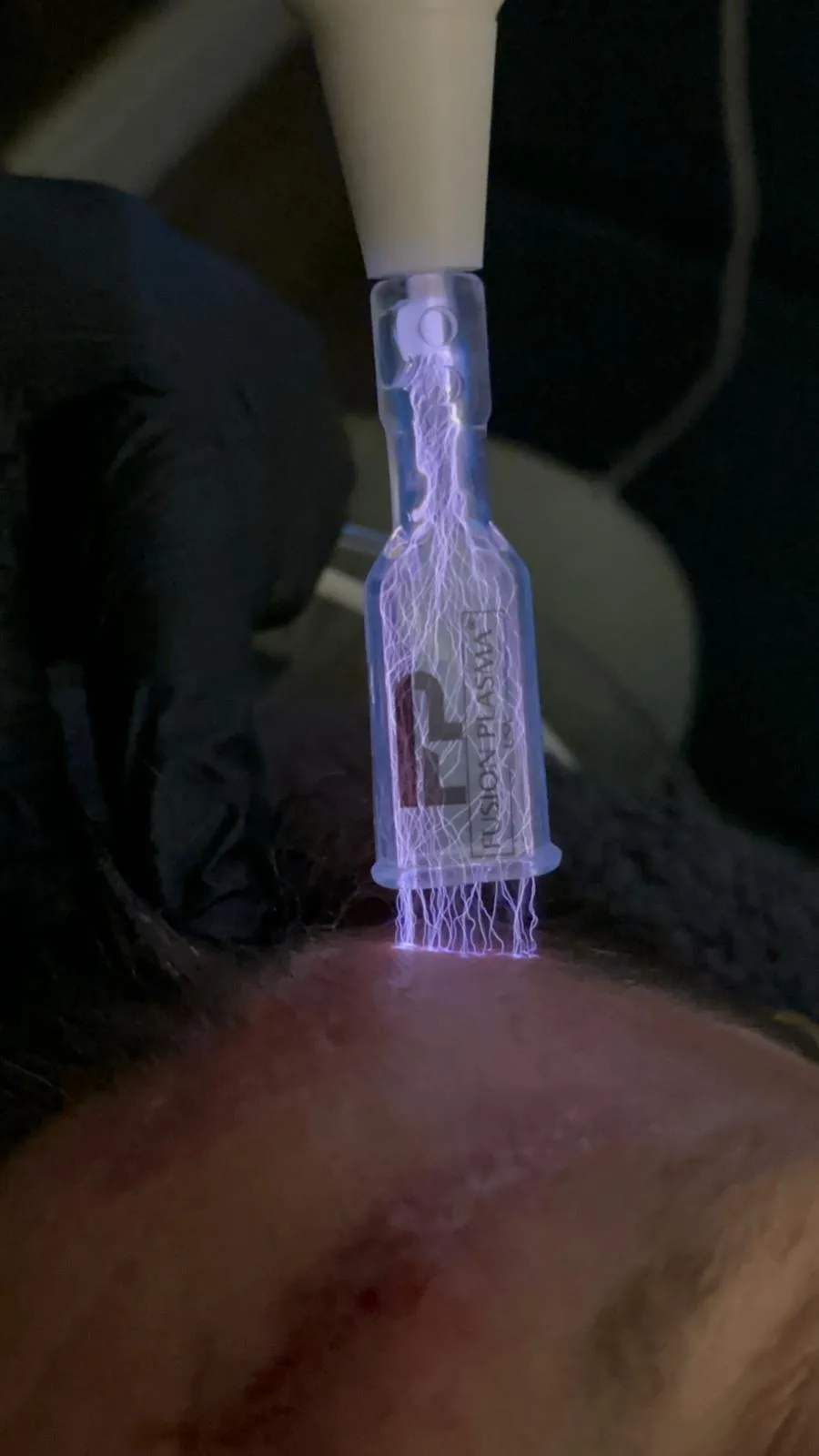
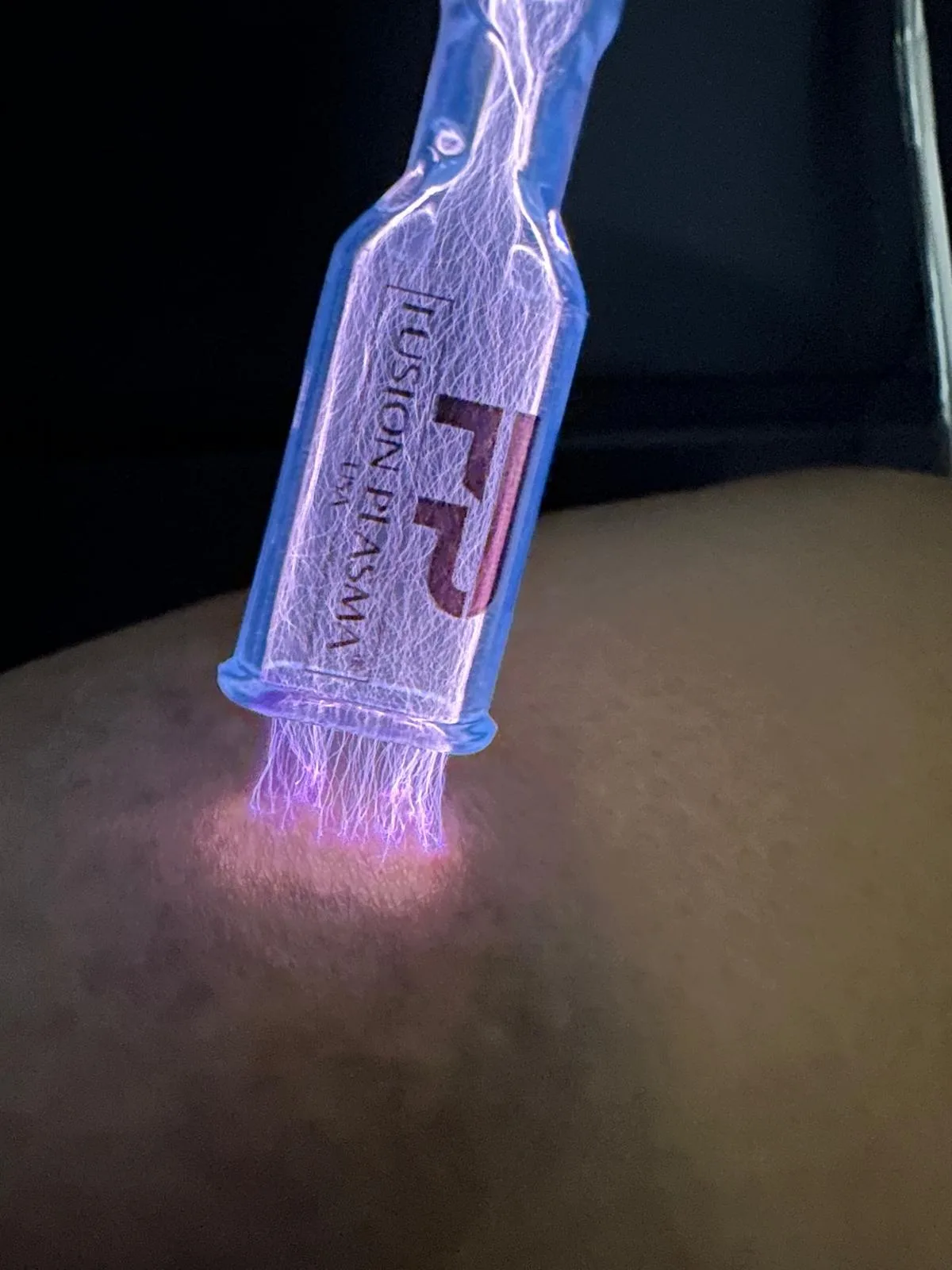
Visual Documentation

Real Atmospheric Plasma Generated by Fusion Plasma

Unlike conventional illustrations, these images show actual atmospheric plasma generated by the Fusion Plasma system using controlled ionization of argon gas under atmospheric pressure.

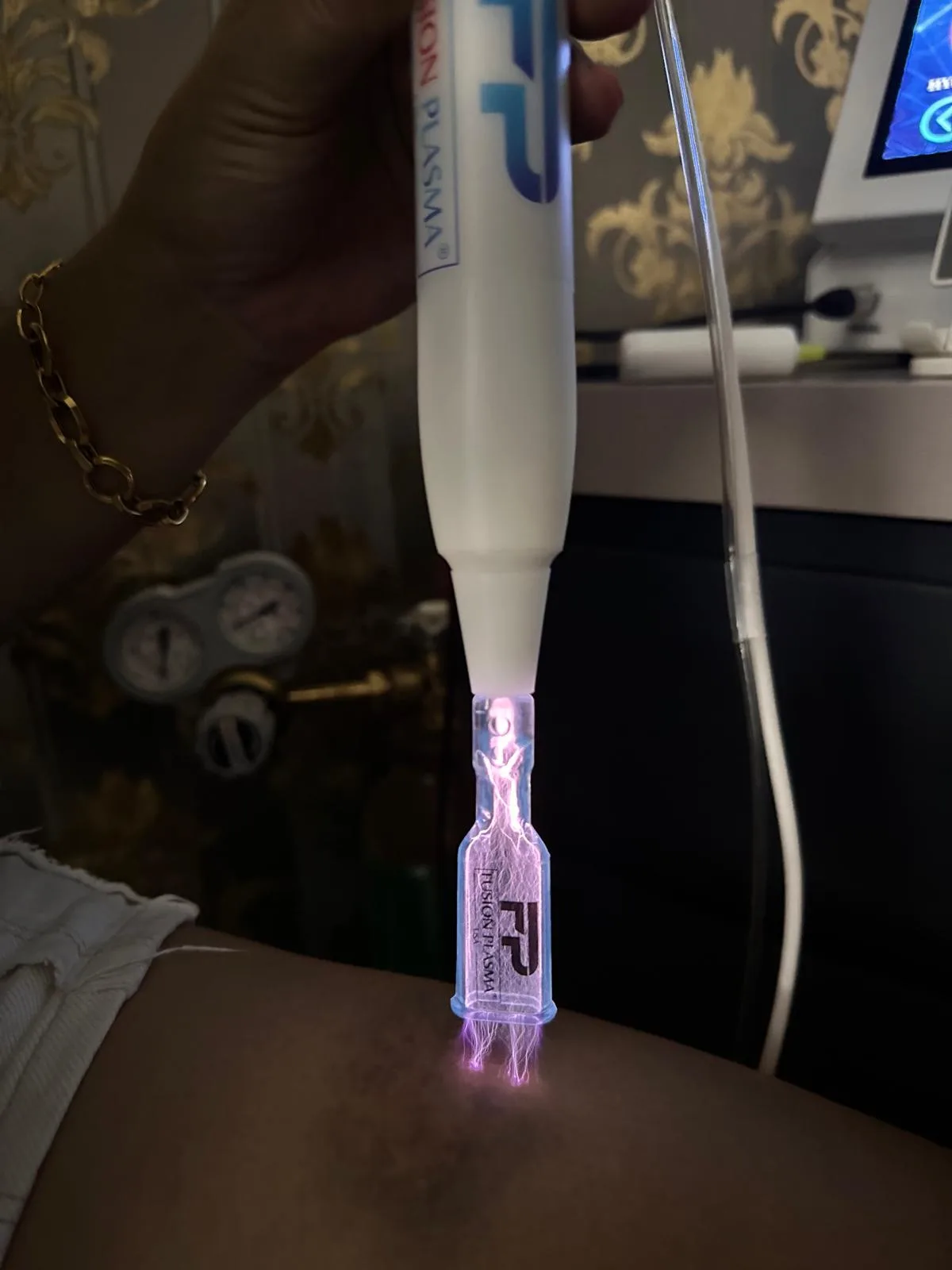
Hyper Plasma Tip — Live Discharge
Original Product Photo

Hyper Plasma Tip — Live Discharge

Cold plasma from the Hyper tip on skin during a session

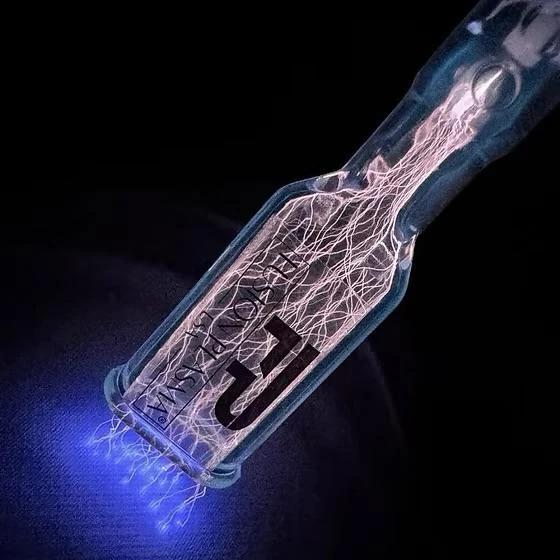
Cold Plasma Filaments
Original Product Photo

Cold Plasma Filaments

Argon plasma filaments at the Hyper tip

Derma Plasma Tip
Original Product Photo

Derma Plasma Tip

Cold plasma pins of the Derma tip

Clinical Application
Original Product Photo

Clinical Application

Hyper tip in use on a client

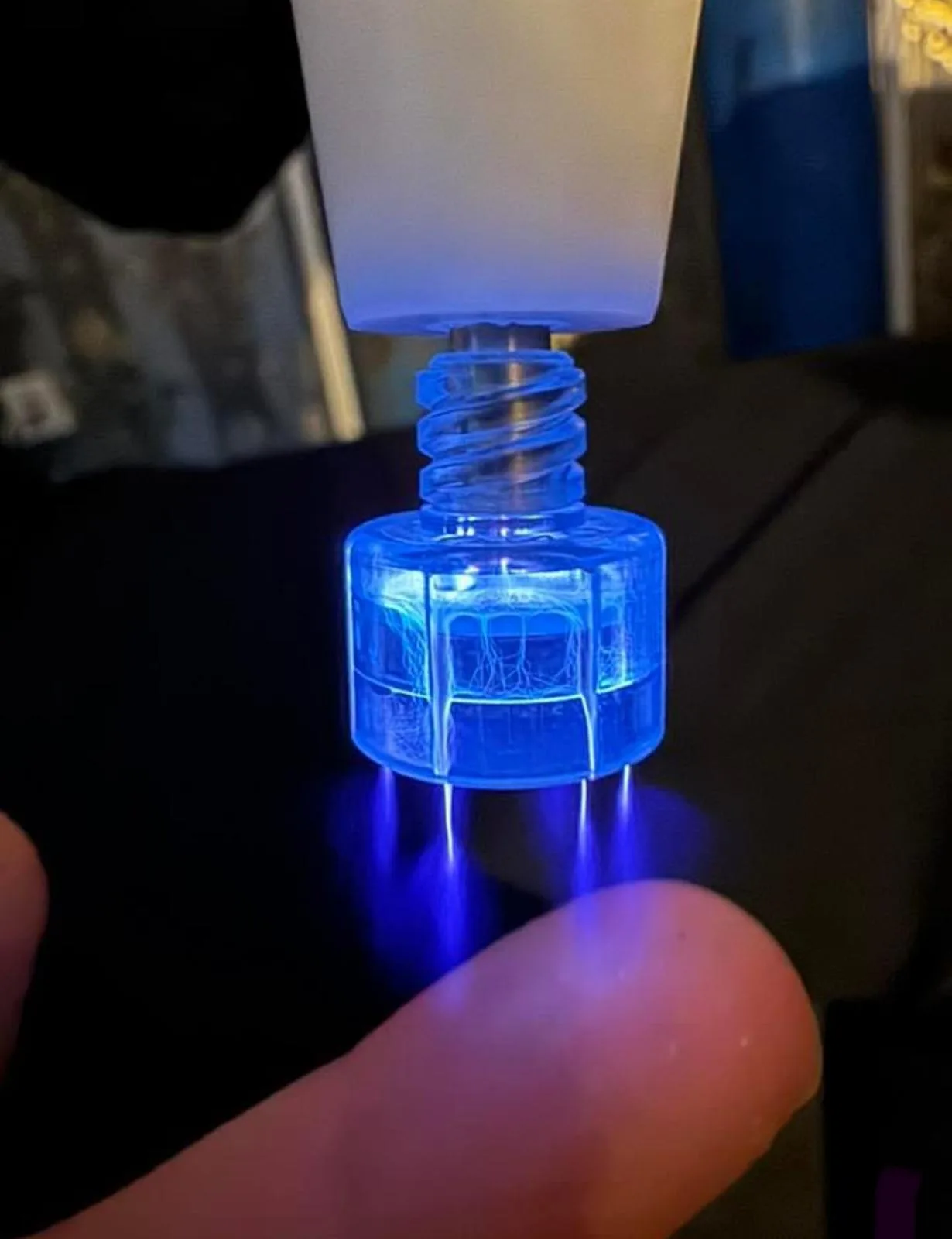
Hyper Plasma Tip
Original Product Photo

Hyper Plasma Tip

Argon plasma glowing inside the Hyper tip

Scientific Research

Published research on cold plasma

Cold atmospheric plasma is a broad field of scientific research carried out at universities and hospitals around the world. Below is a selection of peer-reviewed reviews and clinical studies.

These publications concern cold plasma technology in general; they were not conducted with Fusion Plasma devices. Fusion Plasma is a CE-certified cosmetic device and is not intended to diagnose or treat disease.

Reviews

  1. Cold atmospheric plasma (CAP): a revolutionary approach in dermatology and skincare

    Khalaf AT, Abdalla AN, Ren K, Liu X · European Journal of Medical Research 29:487 · 2024

    Recent review of cold plasma in dermatology, skin health and skincare.

  2. Plasma Dermatology: Skin Therapy Using Cold Atmospheric Plasma

    Tan F, Wang Y, Zhang S, Shui R, Chen J · Frontiers in Oncology 12:918484 · 2022

    Review of the effects of cold plasma on skin lipids, cells, histology and blood circulation, and its study in wound healing, inflammatory and infectious skin conditions and alopecia.

  3. Cold atmospheric plasma applications in dermatology: A systematic review

    Gan L, et al. · Journal of Biophotonics 14(3):e202000415 · 2021

    Systematic review of 166 studies on cold atmospheric plasma in dermatology, searched in PubMed, Embase and Web of Science.

  4. Plasma Medicine: A Field of Applied Redox Biology

    von Woedtke T, Schmidt A, Bekeschus S, Wende K, Weltmann KD · In Vivo 33(4):1011–1026 · 2019

    Explains that biological plasma effects are mainly mediated by reactive oxygen and nitrogen species, and describes the dose-dependent effects of cold plasma.

  5. Plasma Medicine: Applications of Cold Atmospheric Pressure Plasma in Dermatology

    Bernhardt T, et al. · Oxidative Medicine and Cellular Longevity 2019:3873928 · 2019

    Review of cold atmospheric plasma in dermatology: antimicrobial, anti-inflammatory and tissue-stimulating effects, and the plasma sources in use.

  6. Plasma medicine: possible applications in dermatology

    Heinlin J, et al. · JDDG – Journal der Deutschen Dermatologischen Gesellschaft 8(12):968–976 · 2010

    Overview of possible dermatological uses of plasma, including tissue regeneration and skin infections.

  7. Plasma medicine: an introductory review

    Kong MG, Kroesen G, Morfill G, et al. · New Journal of Physics 11:115012 · 2009

    Introductory review of the field: how room-temperature, atmospheric-pressure plasmas work and where they can be used in health care and hygiene.

Clinical studies

  1. A Prospective, Randomised, Controlled, Split-Face Clinical Trial to Assess the Safety and the Efficacy of Cold Atmospheric Plasma in the Treatment of Acne Vulgaris

    Karrer S, et al. · Applied Sciences 11(23):11181 · 2021

    Split-face trial (34 patients): cold helium plasma was safe and well tolerated, with a moderate reduction in acne lesions and better patient ratings of appearance on the treated side.

  2. Successful and safe use of 2 min cold atmospheric argon plasma in chronic wounds: results of a randomized controlled trial

    Isbary G, et al. · British Journal of Dermatology 167(2):404–410 · 2012

    Randomized controlled study (24 patients): 2-minute cold argon plasma treatments reduced bacterial load without side effects.

  3. A first prospective randomized controlled trial to decrease bacterial load using cold atmospheric argon plasma on chronic wounds in patients

    Isbary G, et al. · British Journal of Dermatology 163(1):78–82 · 2010

    Randomized controlled phase II study (38 wounds, 36 patients): daily cold argon plasma reduced bacterial load in treated wounds by 34% and was well tolerated.

  4. Evaluation of plasma skin regeneration technology in low-energy full-facial rejuvenation

    Bogle MA, Arndt KA, Dover JS · Archives of Dermatology 143(2):168–174 · 2007

    Small study (8 volunteers) of thermal nitrogen-plasma skin regeneration: three low-energy full-face treatments improved facial wrinkles and appearance with short recovery.

Ready to Experience the Science?

Knowledge leads to better outcomes.

Understanding the science behind Fusion Plasma helps you choose the right protocols, set accurate patient expectations, and deliver consistent clinical results.

Explore DevicesTalk to a Specialist
Fusion Plasma USA

Fusion Plasma USA is a pioneering leader in Cold Plasma technology, advancing aesthetic and wellness solutions through innovative and patented devices.

Products

  • Fusion Plasma Pro
  • Fusion Plasma Cold&Warm
  • All Products

Company

  • Dealers
  • Technical Support
  • Encyclopedia
  • Blog
  • Training
  • About Us
  • Invention & Patent
  • Contact

Contact

  • 🇺🇸+1 310 290 4851Calls only
  • 🇹🇷+90 530 375 0776WhatsApp only
  • 🇺🇸+1 (407) 770-9696WhatsApp only
  • contact@fusionplasma-usa.com
  • info@fusionplasma-usa.com
  • USA | Türkiye

© 2026 Fusion Plasma USA. All rights reserved.

Privacy PolicyTerms & Conditions