Chapter Overview
How to Choose a Plasma Device for Your Clinic
Plasma technology has become one of the most requested non-invasive options in professional aesthetics. But "plasma device" can mean very different things — from a simple single-mode pen to a complete multi-application platform. Before you invest, here are the eight points that make the real difference for your clinic, your clients and your business.
Cold plasma, warm plasma — or both?
Cold plasma works at low temperatures on the skin surface and is used for gentle renewal, serum absorption and skin that needs a delicate approach. Warm plasma delivers controlled thermal energy for deeper renewal, tightening and scar work. A device that offers only one mode limits the treatments you can sell. A dual-mode platform such as Fusion Plasma lets you build a full menu with one system. Learn how each works in our encyclopedia: cold plasma and warm plasma.
Gas: argon, helium and how they are used
True cold plasma is generated from a noble gas. Ask which gases the device works with, how the gas connects and how much a session consumes. Fusion Plasma's cold plasma works with argon and/or helium; warm plasma works without gas.
The range of interchangeable tips
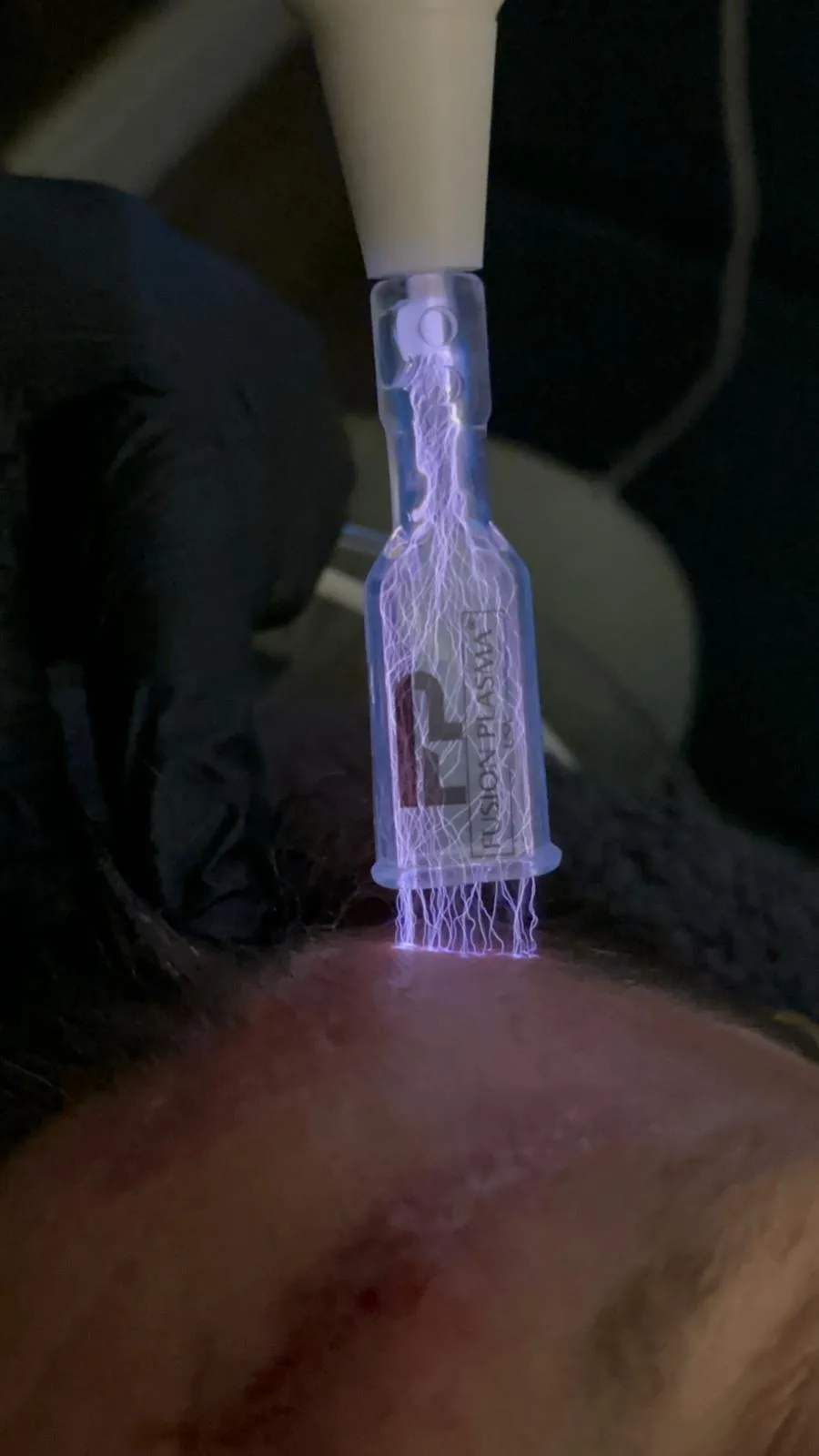
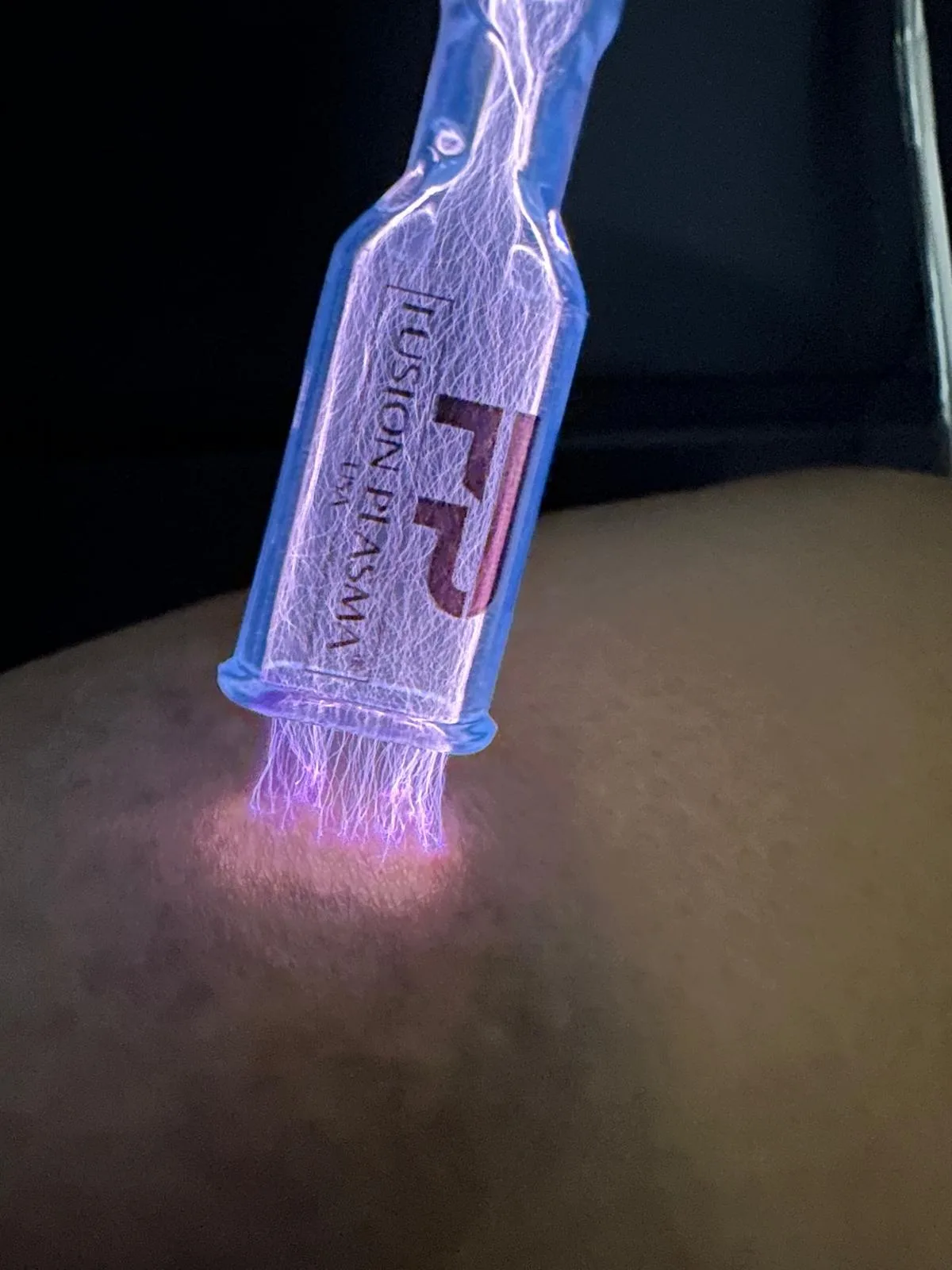
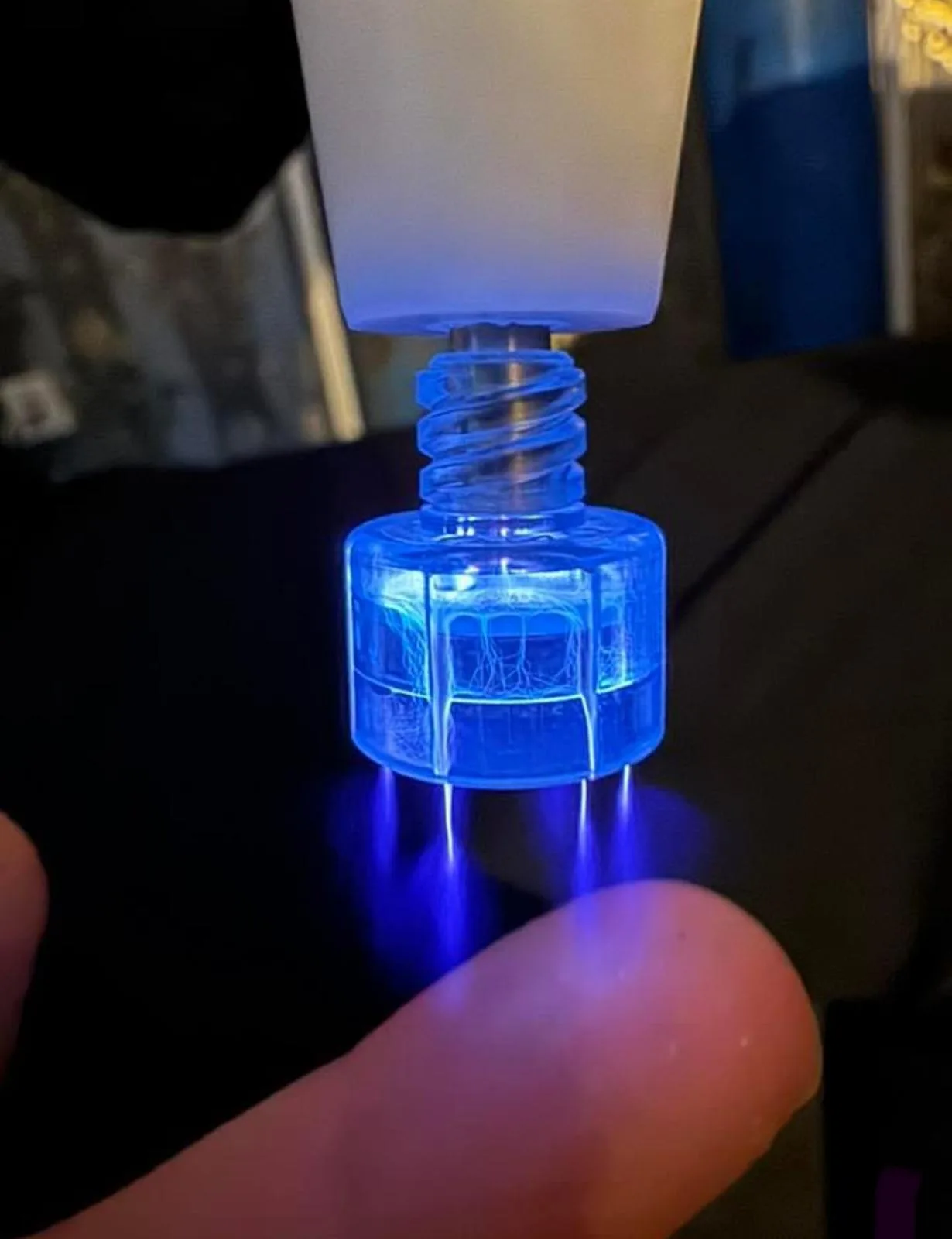
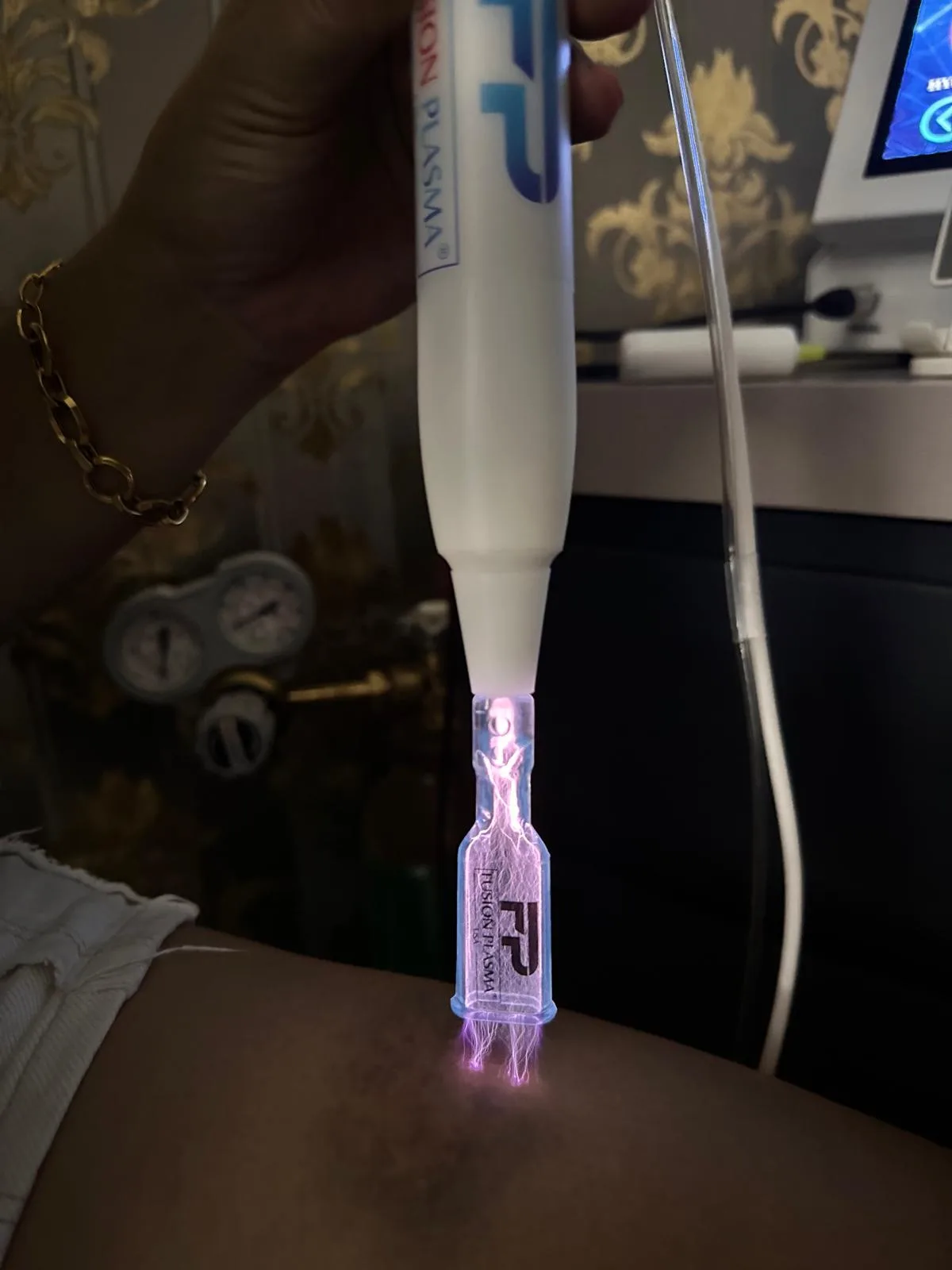
The tips decide what you can actually do: face, eyelids, scalp, body, nails. Check how many tips are included, what each one is designed for, how many uses a tip lasts and what replacements cost. Fusion Plasma comes with eight specialised tips for face, skin, hair and body applications.
Control and repeatability
Consistent results come from consistent settings. A touchscreen device with presets (like Fusion Plasma Pro) makes protocols easy to repeat across practitioners; a manual model (like Fusion Plasma Cold&Warm) gives experienced users direct control with dials. Choose the one that fits your team.
Certificates you can verify
Ask for the documents, not just the logos. For Fusion Plasma: CE attestation of conformity QA-AC-7830/26 (Low Voltage and EMC directives) — it is a CE-certified cosmetic device — and a manufacturer whose quality management system is certified to ISO 13485:2016, with risk management according to ISO 14971:2019. All of this is listed on our invention page.
Originality and patent protection
Copies of successful devices are common. An original device comes with a documented inventor, a manufacturer and patent protection. Fusion Plasma was invented by Emrah Seyfi Tatar and is protected by Turkish patent TR 2023 008123 B. Buy only from the manufacturer or an authorised distributor.
Training, protocols and support
The device is only half of the result; technique is the other half. Ask whether training and certification are included, whether you get written protocols, and who answers when you have a technical question. Fusion Plasma devices come with training and certification, technical support and a one-year manufacturer warranty.
The business side
Look beyond the purchase price: tip and consumable costs per session, gas costs, how many different treatments you can offer, and how quickly the device can pay for itself with the treatments your clients ask for. A wider treatment menu from one device usually means a faster return.
Checklist: 10 questions to ask before you buy
- Does it offer both cold and warm plasma?
- Which gases does it use, and what does gas cost per session?
- How many tips are included, and what do replacements cost?
- Touchscreen presets or manual control — which suits my team?
- Can I see the CE document and the manufacturer's quality certificates?
- Who is the inventor and manufacturer, and is the technology patented?
- Am I buying from the manufacturer or an authorised distributor?
- Is training and certification included?
- What warranty and technical support do I get?
- Which treatments can I offer from day one?
Chapter Summary
The right plasma device is the one that combines a wide, safe treatment range with documented quality, real training and support. Contact us to book a live demo of Fusion Plasma and see both models in action.