Fusion Plasma USAUSA
HomeWe Invented ItProductsTreatmentsDealersVideo LibraryTrainingEncyclopediaAbout UsContact
Get a Quote
HomeWe Invented ItProductsTreatmentsDealersVideo LibraryTrainingEncyclopediaAbout UsContact
Get a Quote
HomeFusion Plasma Encyclopedia
Scientific Knowledge Base

Fusion PlasmaEncyclopedia

Deep-dive scientific content for clinical professionals. From the physics of plasma to treatment protocols — the complete knowledge base behind Fusion Plasma technology.

Chapter 06
6 min read
Real Footage

Clinical Safety

Safety & Contraindications

Patient Selection, Parameters & Aftercare

Absolute Contraindications

Pregnancy, pacemakers, epilepsy, keloid tendency, recent isotretinoin

Fitzpatrick V–VI

Reduce warm plasma energy, extend intervals, test patch

Cold Plasma Safety

Mild erythema, no downtime, wide safety margin

Warm Plasma Downtime

3–7 days erythema, flaking, crusting — no picking

Aftercare

SPF 30+, no picking, gentle cleansing, no heat 72h

Energy Scale

Start conservative, assess, increase gradually

Select Chapter
01What is Plasma?02How Cold Plasma Works03Warm Plasma Technology04ROS & RNS in Aesthetics05Clinical Protocols06Safety & Contraindications07What Is a Cold Plasma Device and How Does It Work?08Discover the Potential of Cold Plasma Uses09What Is Fusion Plasma?10How to Choose a Plasma Device for Your Clinic11How Does Fusion Plasma Work?
Reading Progress
1 of 6
Select Chapter
01What is Plasma?02How Cold Plasma Works03Warm Plasma Technology04ROS & RNS in Aesthetics05Clinical Protocols06Safety & Contraindications07What Is a Cold Plasma Device and How Does It Work?08Discover the Potential of Cold Plasma Uses09What Is Fusion Plasma?10How to Choose a Plasma Device for Your Clinic11How Does Fusion Plasma Work?

Full PDF Available

Request access to the complete Fusion Plasma Encyclopedia PDF with infographics.

Request Access
06

Chapter Overview

Safety & Contraindications

Safety is not a separate topic — it is embedded in every decision a practitioner makes. This chapter provides comprehensive safety guidelines for both cold and warm plasma modalities, including absolute contraindications, relative precautions, energy parameter limits, Fitzpatrick skin type considerations, and post-treatment care instructions that protect both patient outcomes and practitioner liability.

01 of 06

Absolute Contraindications

The following conditions prohibit any plasma treatment: pregnancy and breastfeeding (safety data insufficient); active infection or open wounds in the treatment area (risk of spreading infection); metal implants or pacemakers in the treatment zone (electromagnetic interference and localized heating); epilepsy or seizure disorders (visible plasma discharge may trigger photosensitive seizures); keloid or hypertrophic scar tendency (warm plasma may worsen scarring); active cancer or immunosuppressive therapy (impaired healing response); and isotretinoin (Accutane) use within the past 6 months (compromised wound healing and scarring risk). These are non-negotiable exclusions — no parameter adjustment can make plasma safe in these conditions.

Absolute contraindications are non-negotiable. No parameter adjustment makes plasma safe in these conditions.

02 of 06

Relative Precautions

The following conditions require modified protocols or physician consultation before treatment: diabetes (impaired wound healing, higher infection risk); autoimmune diseases (lupus, scleroderma — unpredictable tissue response); blood clotting disorders or anticoagulant medication (prolonged bruising and bleeding); Fitzpatrick skin types V and VI (higher risk of post-inflammatory hyperpigmentation with warm plasma — use lower energy and longer intervals); rosacea and active dermatitis (cold plasma may help, warm plasma may flare); recent chemical peels or laser treatments (wait 2–4 weeks before plasma); and tattoos in the treatment area (warm plasma may cause pigment disruption). In these cases, the practitioner must document informed consent and may need to perform a test patch 48 hours before full treatment.

Fitzpatrick V–VI skin types: warm plasma carries hyperpigmentation risk — reduce energy, extend intervals, obtain informed consent.

03 of 06

Cold Plasma Safety Profile

Cold plasma has an exceptionally strong safety profile. The surface temperature (30–70°C) is below the sustained thermal damage threshold, and contact times are brief. Expected immediate effects: mild erythema lasting minutes to hours, slight tingling or warmth during treatment, and temporary dryness in the days following. No downtime is required. Because cold plasma does not create thermal micro-damage, there is no risk of scarring, blistering, or pigment changes. The only documented adverse events have occurred with improper technique: holding the tip stationary for too long (can cause a minor burn), treating over broken skin (can irritate), or using on patients with known contraindications.

Cold plasma's safety margin is wide: mild erythema, no downtime, zero risk of scarring or pigment change when used correctly.

04 of 06

Warm Plasma Safety & Downtime

Warm plasma requires stricter safety discipline because it creates controlled thermal micro-damage. Expected post-treatment effects: erythema and edema (hours to 2–3 days), sunburn-like sensation and warmth, dryness and flaking (peeling begins day 3–5), micro-crusting over treated points (do not pick — let crusts fall naturally), and eyelid swelling after periorbital treatment (resolves in 2–4 days). Downtime ranges from 3–7 days depending on treatment intensity. The practitioner must inform the patient about all expected effects before treatment. Critical rules: never treat the same point twice in one session, keep the tip moving, do not exceed recommended contact times, and always follow with appropriate aftercare.

Warm plasma downtime: 3–7 days of erythema, flaking, and micro-crusting. Do not pick crusts — picking causes scarring and infection.

05 of 06

Aftercare Guidelines

Proper aftercare determines 50% of the treatment outcome. Universal rules for all protocols: (1) Sun protection — SPF 30+ broad-spectrum sunscreen for at least 1 week post-treatment; UV exposure on healing skin causes pigment changes and treatment failure. (2) Moisturization — apply Fusion Plasma Aftercare Cream as directed; hydrated skin heals faster and produces better collagen. (3) No picking — crusts and flakes must fall naturally; pulling them off causes scarring and infection. (4) Avoid irritants — no retinoids, AHA/BHA acids, strong exfoliants, or aggressive cleansers for 1 week. (5) Gentle cleansing — use non-foaming cleanser, pat dry with soft cloth, no rubbing. (6) No heat or sweat — avoid hot showers, saunas, steam rooms, and heavy exercise for 72 hours post-treatment. Warm plasma patients should also sleep with head elevated the first night to minimize edema.

  • SPF 30+ for at least 1 week — non-negotiable
  • Fusion Plasma Aftercare Cream — apply as directed
  • Never pick crusts or flakes — natural shedding only
  • No retinoids, AHA/BHA, or strong exfoliants for 1 week
  • Gentle non-foaming cleanser, pat dry — no rubbing
  • No hot showers, sauna, or heavy exercise for 72 hours
  • Warm plasma: sleep with head elevated first night
06 of 06

Energy Parameter Guidelines

Fusion Plasma devices use a calibrated energy scale. The following are general guidelines — exact settings vary by tip and protocol: Cold Plasma tips (Hyper, Ozon, Plasma Jet, Scalp) — power levels 1–5, with levels 1–2 for sensitive skin and first-time patients, levels 3–4 for standard protocols, and level 5 only for thick skin or experienced patients. Warm Plasma tips (Derma Plasma roller) — power levels 1–4, with level 1 for superficial epidermal work, levels 2–3 for standard dermal stimulation, and level 4 for thick scars or experienced patients only. Warm Plasma Needle — power levels 1–3, with level 1 for fine lines and delicate areas, level 2 for standard wrinkles and scars, and level 3 for deep scars and experienced practitioners only. Always start conservative and increase in subsequent sessions based on patient response.

Start conservative, assess response, increase gradually. Every patient's skin tolerance is different.

Chapter Summary

Safety is the foundation of every successful aesthetic practice. Fusion Plasma's dual-mode system offers both the ultra-safe cold plasma and the more demanding warm plasma — each with its own safety profile, contraindications, and aftercare requirements. Understanding these distinctions, respecting absolute contraindications, and educating patients about expected outcomes and downtime are the marks of a responsible, results-driven practitioner.
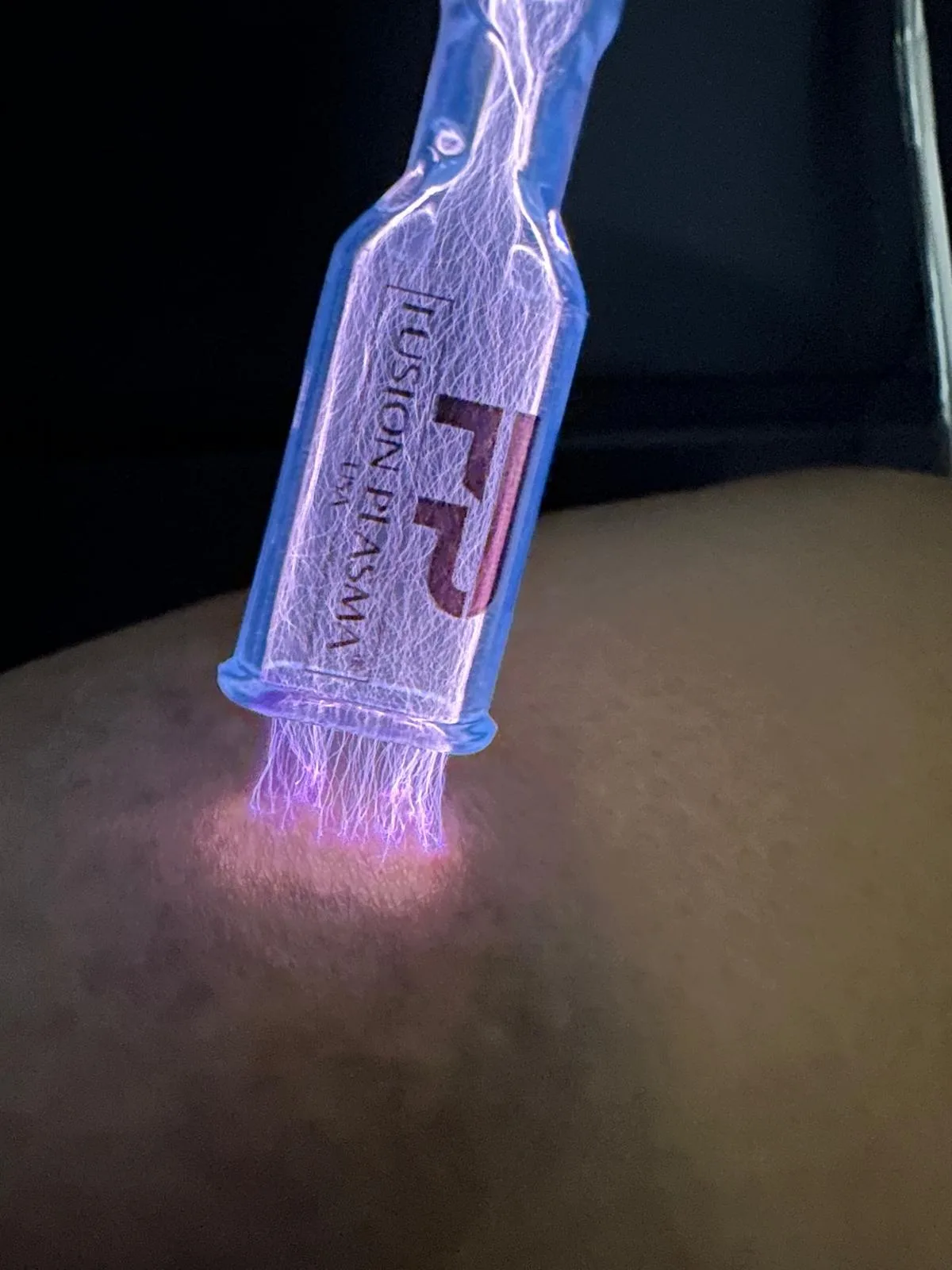
Visual Documentation

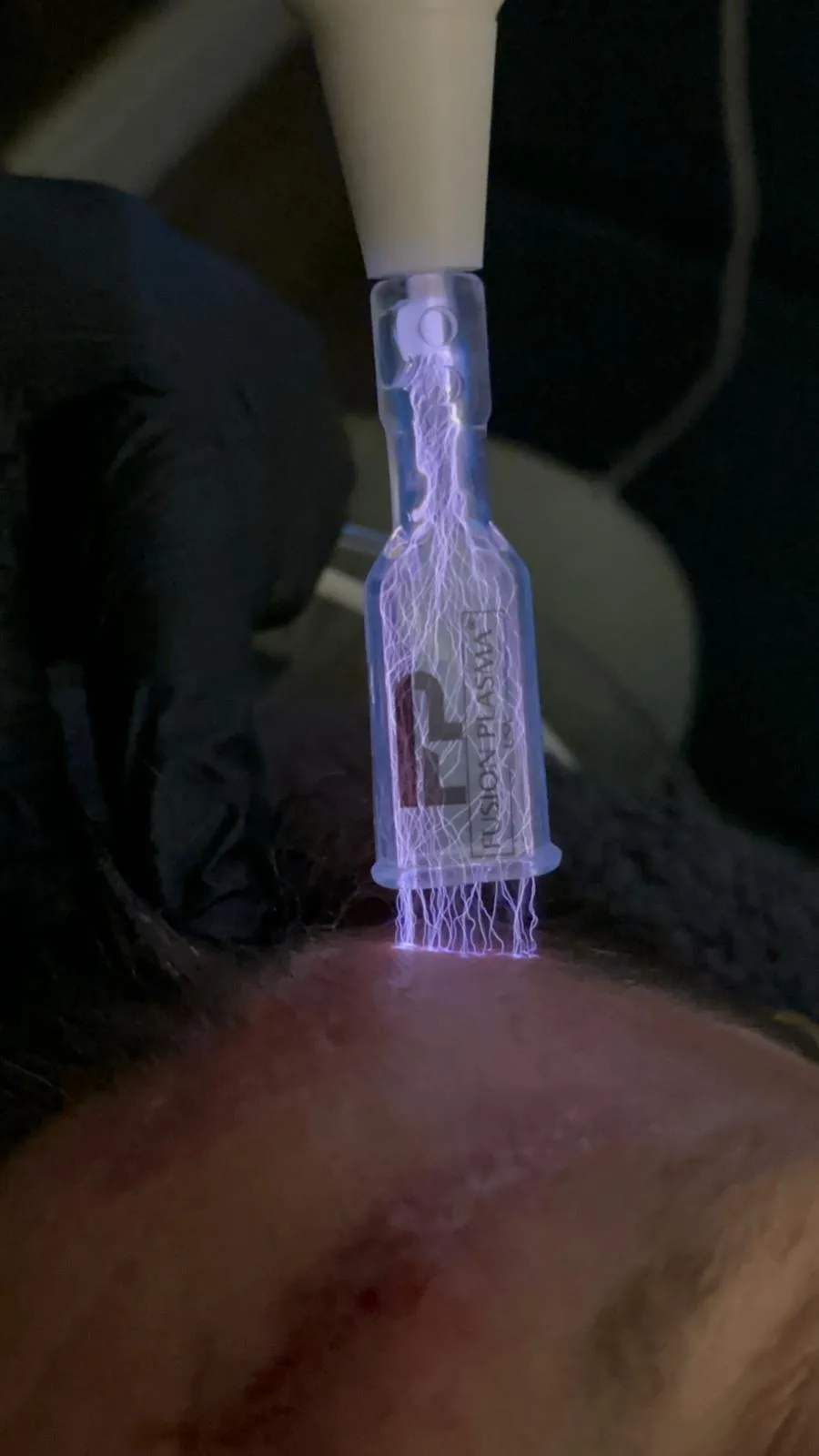
Real Atmospheric Plasma Generated by Fusion Plasma

Unlike conventional illustrations, these images show actual atmospheric plasma generated by the Fusion Plasma system using controlled ionization of argon gas under atmospheric pressure.

Hyper Plasma Tip — Live Discharge
Original Product Photo

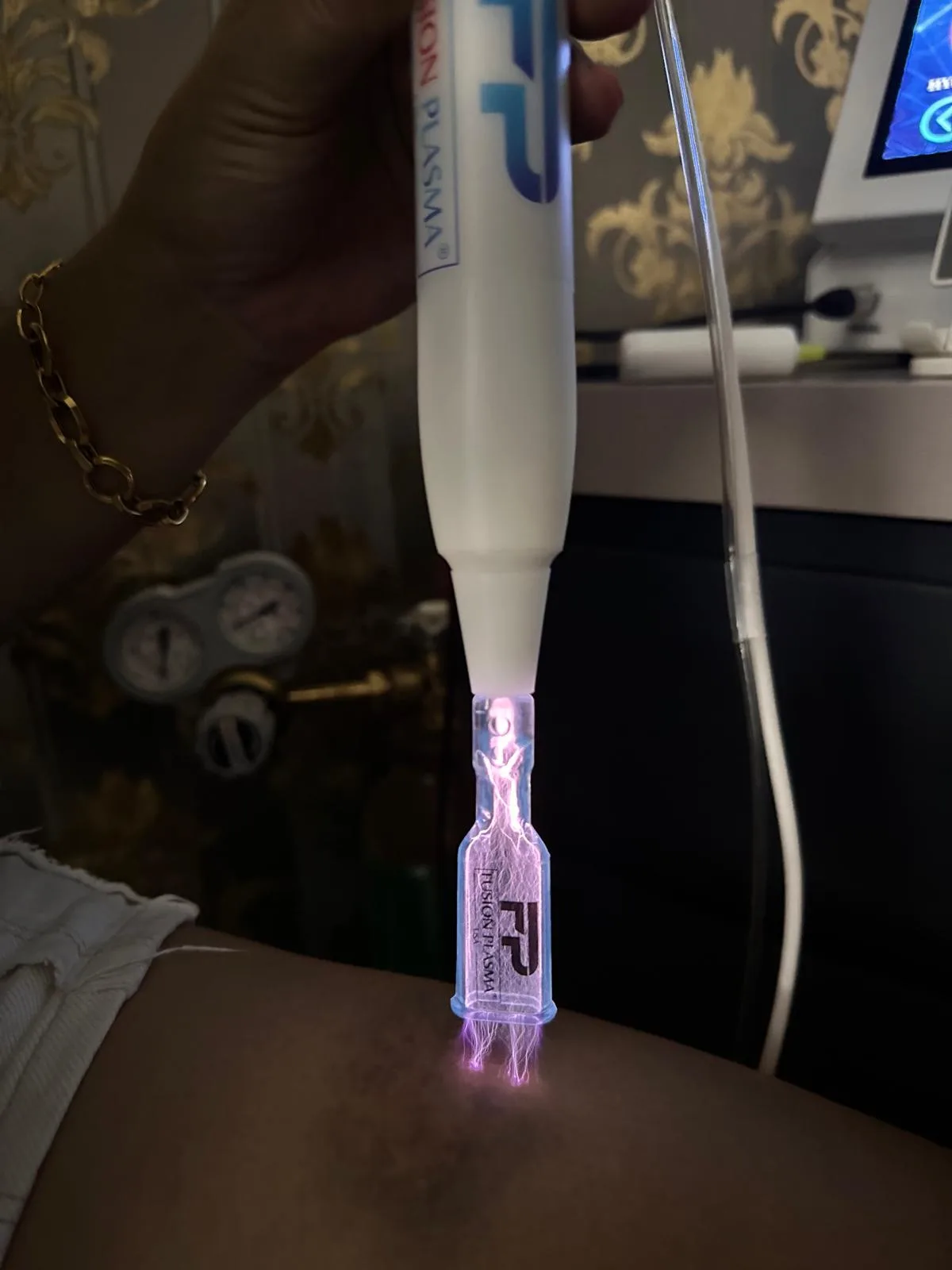
Hyper Plasma Tip — Live Discharge

Cold plasma from the Hyper tip on skin during a session

Cold Plasma Filaments
Original Product Photo

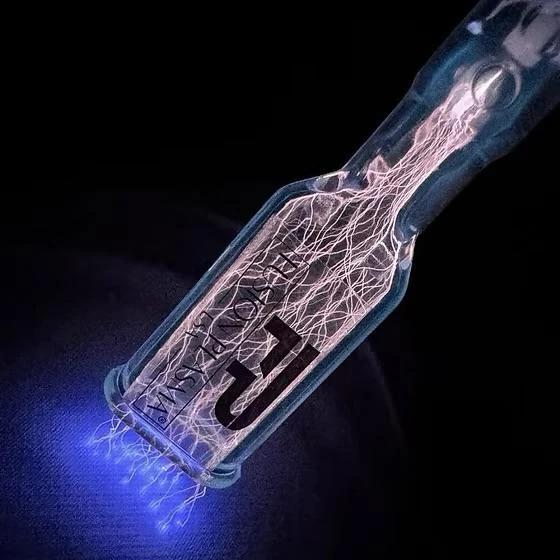
Cold Plasma Filaments

Argon plasma filaments at the Hyper tip

Derma Plasma Tip
Original Product Photo

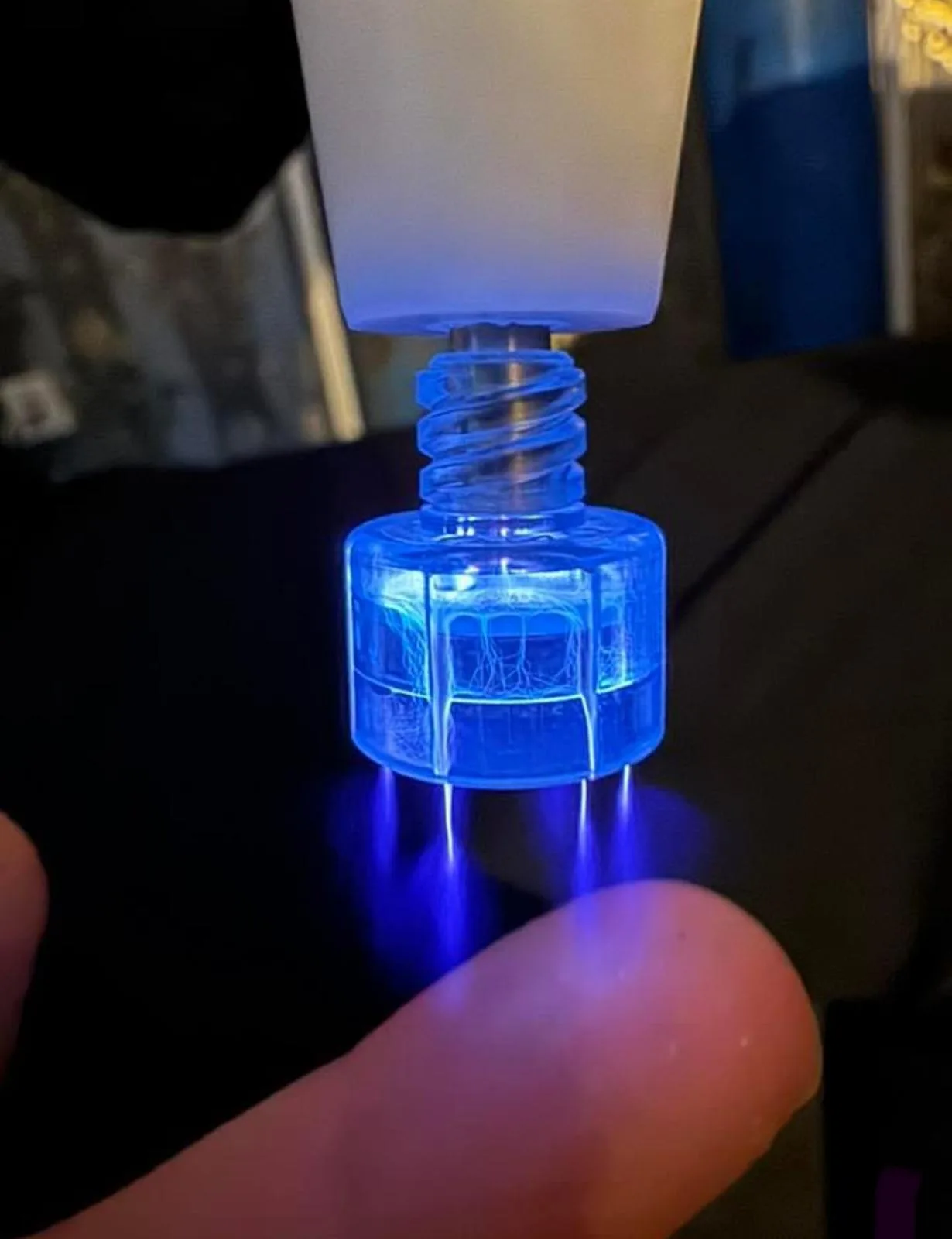
Derma Plasma Tip

Cold plasma pins of the Derma tip

Clinical Application
Original Product Photo

Clinical Application

Hyper tip in use on a client

Hyper Plasma Tip
Original Product Photo

Hyper Plasma Tip

Argon plasma glowing inside the Hyper tip

Scientific Research

Published research on cold plasma

Cold atmospheric plasma is a broad field of scientific research carried out at universities and hospitals around the world. Below is a selection of peer-reviewed reviews and clinical studies.

These publications concern cold plasma technology in general; they were not conducted with Fusion Plasma devices. Fusion Plasma is a CE-certified cosmetic device and is not intended to diagnose or treat disease.

Reviews

  1. Cold atmospheric plasma (CAP): a revolutionary approach in dermatology and skincare

    Khalaf AT, Abdalla AN, Ren K, Liu X · European Journal of Medical Research 29:487 · 2024

    Recent review of cold plasma in dermatology, skin health and skincare.

  2. Plasma Dermatology: Skin Therapy Using Cold Atmospheric Plasma

    Tan F, Wang Y, Zhang S, Shui R, Chen J · Frontiers in Oncology 12:918484 · 2022

    Review of the effects of cold plasma on skin lipids, cells, histology and blood circulation, and its study in wound healing, inflammatory and infectious skin conditions and alopecia.

  3. Cold atmospheric plasma applications in dermatology: A systematic review

    Gan L, et al. · Journal of Biophotonics 14(3):e202000415 · 2021

    Systematic review of 166 studies on cold atmospheric plasma in dermatology, searched in PubMed, Embase and Web of Science.

  4. Plasma Medicine: A Field of Applied Redox Biology

    von Woedtke T, Schmidt A, Bekeschus S, Wende K, Weltmann KD · In Vivo 33(4):1011–1026 · 2019

    Explains that biological plasma effects are mainly mediated by reactive oxygen and nitrogen species, and describes the dose-dependent effects of cold plasma.

  5. Plasma Medicine: Applications of Cold Atmospheric Pressure Plasma in Dermatology

    Bernhardt T, et al. · Oxidative Medicine and Cellular Longevity 2019:3873928 · 2019

    Review of cold atmospheric plasma in dermatology: antimicrobial, anti-inflammatory and tissue-stimulating effects, and the plasma sources in use.

  6. Plasma medicine: possible applications in dermatology

    Heinlin J, et al. · JDDG – Journal der Deutschen Dermatologischen Gesellschaft 8(12):968–976 · 2010

    Overview of possible dermatological uses of plasma, including tissue regeneration and skin infections.

  7. Plasma medicine: an introductory review

    Kong MG, Kroesen G, Morfill G, et al. · New Journal of Physics 11:115012 · 2009

    Introductory review of the field: how room-temperature, atmospheric-pressure plasmas work and where they can be used in health care and hygiene.

Clinical studies

  1. A Prospective, Randomised, Controlled, Split-Face Clinical Trial to Assess the Safety and the Efficacy of Cold Atmospheric Plasma in the Treatment of Acne Vulgaris

    Karrer S, et al. · Applied Sciences 11(23):11181 · 2021

    Split-face trial (34 patients): cold helium plasma was safe and well tolerated, with a moderate reduction in acne lesions and better patient ratings of appearance on the treated side.

  2. Successful and safe use of 2 min cold atmospheric argon plasma in chronic wounds: results of a randomized controlled trial

    Isbary G, et al. · British Journal of Dermatology 167(2):404–410 · 2012

    Randomized controlled study (24 patients): 2-minute cold argon plasma treatments reduced bacterial load without side effects.

  3. A first prospective randomized controlled trial to decrease bacterial load using cold atmospheric argon plasma on chronic wounds in patients

    Isbary G, et al. · British Journal of Dermatology 163(1):78–82 · 2010

    Randomized controlled phase II study (38 wounds, 36 patients): daily cold argon plasma reduced bacterial load in treated wounds by 34% and was well tolerated.

  4. Evaluation of plasma skin regeneration technology in low-energy full-facial rejuvenation

    Bogle MA, Arndt KA, Dover JS · Archives of Dermatology 143(2):168–174 · 2007

    Small study (8 volunteers) of thermal nitrogen-plasma skin regeneration: three low-energy full-face treatments improved facial wrinkles and appearance with short recovery.

Ready to Experience the Science?

Knowledge leads to better outcomes.

Understanding the science behind Fusion Plasma helps you choose the right protocols, set accurate patient expectations, and deliver consistent clinical results.

Explore DevicesTalk to a Specialist
Fusion Plasma USA

Fusion Plasma USA is a pioneering leader in Cold Plasma technology, advancing aesthetic and wellness solutions through innovative and patented devices.

Products

  • Fusion Plasma Pro
  • Fusion Plasma Cold&Warm
  • All Products

Company

  • Dealers
  • Technical Support
  • Encyclopedia
  • Blog
  • Training
  • About Us
  • Invention & Patent
  • Contact

Contact

  • 🇺🇸+1 310 290 4851Calls only
  • 🇹🇷+90 530 375 0776WhatsApp only
  • 🇺🇸+1 (407) 770-9696WhatsApp only
  • contact@fusionplasma-usa.com
  • info@fusionplasma-usa.com
  • USA | Türkiye

© 2026 Fusion Plasma USA. All rights reserved.

Privacy PolicyTerms & Conditions