Fusion Plasma USAUSA
HomeWe Invented ItProductsTreatmentsDealersVideo LibraryTrainingEncyclopediaAbout UsContact
Get a Quote
HomeWe Invented ItProductsTreatmentsDealersVideo LibraryTrainingEncyclopediaAbout UsContact
Get a Quote
HomeFusion Plasma Encyclopedia
Scientific Knowledge Base

Fusion PlasmaEncyclopedia

Deep-dive scientific content for clinical professionals. From the physics of plasma to treatment protocols — the complete knowledge base behind Fusion Plasma technology.

Chapter 02
7 min read
Real Footage

Cold Plasma Science

How Cold Plasma Works

Non-Thermal Energy for Safe Aesthetic Treatments

30–70°C Range

Well below thermal damage threshold

Argon & Helium

Two noble gases, two clinical advantages

Physical Sterilization

No antibiotic resistance possible

Serum Activation

5–10x deeper penetration + molecular enhancement

Zero Downtime

Biochemical collagen signaling without heat

All Skin Types

Safe for Fitzpatrick I–VI, sensitive, and delicate areas

Select Chapter
01What is Plasma?02How Cold Plasma Works03Warm Plasma Technology04ROS & RNS in Aesthetics05Clinical Protocols06Safety & Contraindications07What Is a Cold Plasma Device and How Does It Work?08Discover the Potential of Cold Plasma Uses09What Is Fusion Plasma?10How to Choose a Plasma Device for Your Clinic11How Does Fusion Plasma Work?
Reading Progress
1 of 7
Select Chapter
01What is Plasma?02How Cold Plasma Works03Warm Plasma Technology04ROS & RNS in Aesthetics05Clinical Protocols06Safety & Contraindications07What Is a Cold Plasma Device and How Does It Work?08Discover the Potential of Cold Plasma Uses09What Is Fusion Plasma?10How to Choose a Plasma Device for Your Clinic11How Does Fusion Plasma Work?

Full PDF Available

Request access to the complete Fusion Plasma Encyclopedia PDF with infographics.

Request Access
02

Chapter Overview

How Cold Plasma Works

Cold Plasma — also known as non-thermal atmospheric plasma — operates at temperatures between 30°C and 70°C, well below the thermal damage threshold of human skin. It uses noble gases (argon and helium) as the ionization medium, generating a stream of reactive species, charged particles, and ultraviolet photons that trigger biological responses without burning or ablating tissue.

01 of 07

What is Cold Plasma?

Cold plasma is a partially ionized gas that remains close to room temperature. Unlike hot plasma (such as the Sun or welding arcs), cold plasma keeps the bulk gas temperature low while creating a high density of energetic electrons and reactive species. This is achieved by applying high-frequency electrical energy to a flowing gas — argon or helium — through a precisely engineered applicator tip. The electrons reach very high temperatures (10,000–100,000 K) but because their mass is tiny, they transfer almost no heat to the surrounding gas molecules. The result is a plasma that is electrically active but thermally gentle.

Cold plasma electrons reach 10,000–100,000 K in temperature, yet the bulk gas stays near room temperature — a critical safety feature.

02 of 07

Argon vs Helium: Gas Physics

Fusion Plasma uses both argon and helium as plasma carrier gases. Argon has a lower ionization energy (15.76 eV) and produces a denser, more visible pink-violet plasma filament. It is ideal for surface sterilization, serum activation, and gentle skin renewal. Helium has a higher ionization energy (24.59 eV) and produces a more diffuse, bluish-white plasma. It penetrates slightly deeper into tissue and is preferred for scalp treatments and applications requiring broader coverage. The device automatically adjusts electrical parameters based on the selected gas to maintain optimal plasma stability.

Argon for surface precision and density; helium for deeper penetration and broader coverage — two gases, two distinct clinical advantages.

03 of 07

Temperature Range & Safety Margins

Fusion Plasma Cold Plasma tips operate in the 30–70°C range at the applicator surface. The skin's thermal damage threshold is approximately 45–50°C for sustained contact, but cold plasma's contact time per treatment point is only seconds — far below the threshold for thermal injury. The device includes real-time temperature monitoring and automatic power adjustment to prevent overheating. Because the thermal component is minimal, cold plasma can be used on sensitive skin, darker skin types (Fitzpatrick I–VI), and near delicate areas like the eye contour.

30–70°C surface temperature, seconds of contact time, and real-time monitoring create a wide safety margin for all skin types.

04 of 07

Antimicrobial & Sterilization Mechanism

Cold plasma's antimicrobial effect comes from three simultaneous mechanisms: (1) Reactive oxygen species (ROS) such as ozone, hydrogen peroxide, and superoxide directly oxidize bacterial cell membranes, leading to cell death; (2) Reactive nitrogen species (RNS) disrupt bacterial DNA replication and protein synthesis; (3) The electric field generated by the plasma destabilizes biofilm structures, making bacteria more susceptible to destruction. Unlike antibiotics, plasma does not create resistance — it physically destroys pathogens through oxidation and electroporation.

Cold plasma destroys bacteria, fungi, and viruses through physical oxidation — no antibiotic resistance can develop.

05 of 07

Serum Activation & Penetration Enhancement

One of cold plasma's unique advantages is its ability to transiently increase skin permeability — a phenomenon called 'electroporation-like effect.' The plasma's charged particles and electric field temporarily disrupt the lipid bilayer of the stratum corneum, creating micro-channels that allow topical serums to penetrate 5–10x deeper than passive application. Additionally, plasma-activated serums undergo chemical modification: ROS reacts with serum ingredients, creating new bioactive compounds with enhanced therapeutic properties. This dual effect — deeper delivery + molecular activation — is why Fusion Plasma protocols pair every treatment with plasma-activated serums.

Plasma creates micro-channels in the stratum corneum and chemically activates serum ingredients for maximum efficacy.

06 of 07

Collagen Stimulation Without Thermal Damage

While warm plasma stimulates collagen through controlled thermal micro-damage, cold plasma achieves the same goal through a completely different mechanism: biochemical signaling. ROS and RNS generated at the skin surface diffuse into the epidermis and activate redox-sensitive signaling pathways, including Nrf2 and MAPK cascades. These pathways trigger fibroblast proliferation and collagen synthesis without any thermal injury to the tissue. The result is gradual, natural skin renewal with zero downtime — ideal for patients who cannot tolerate recovery periods.

Cold plasma triggers collagen synthesis through biochemical signaling, not heat — zero downtime, zero thermal damage.

07 of 07

Clinical Applications of Cold Plasma

Cold plasma is the workhorse of the Fusion Plasma system for non-ablative protocols. Its primary applications include: active acne treatment (antibacterial + anti-inflammatory), skin sterilization before and after any procedure, scalp treatments for hair loss (increased blood flow + serum penetration), post-treatment recovery acceleration, pigment mask fixation in microblading, general skin rejuvenation and brightening, and daily home-care serum activation with the roll-on applicator. Each protocol uses different applicator tips and parameter combinations, all within the safe cold plasma range.

  • Active Acne — Ozon plasma tip delivers antibacterial energy directly to lesions
  • Scalp & Hair — Scalp plasma tip increases circulation and serum penetration
  • Skin Sterilization — Hyper plasma tip for pre- and post-treatment sterilization
  • Microblading Support — Pre- and post-procedure plasma for pigment fixation
  • Daily Home Care — Roll-on serum activator for continued benefits between sessions
  • General Rejuvenation — Derma plasma for gentle collagen stimulation across the face

Chapter Summary

Cold Plasma is the foundation of safe, no-downtime aesthetic treatments. By separating electrical activity from thermal effects, Fusion Plasma delivers powerful biological results — sterilization, collagen stimulation, serum activation — at temperatures that pose zero risk to healthy tissue. Understanding cold plasma physics is essential for any practitioner who wants to offer effective treatments to patients with sensitive skin, darker skin tones, or busy lifestyles that do not allow for recovery time.
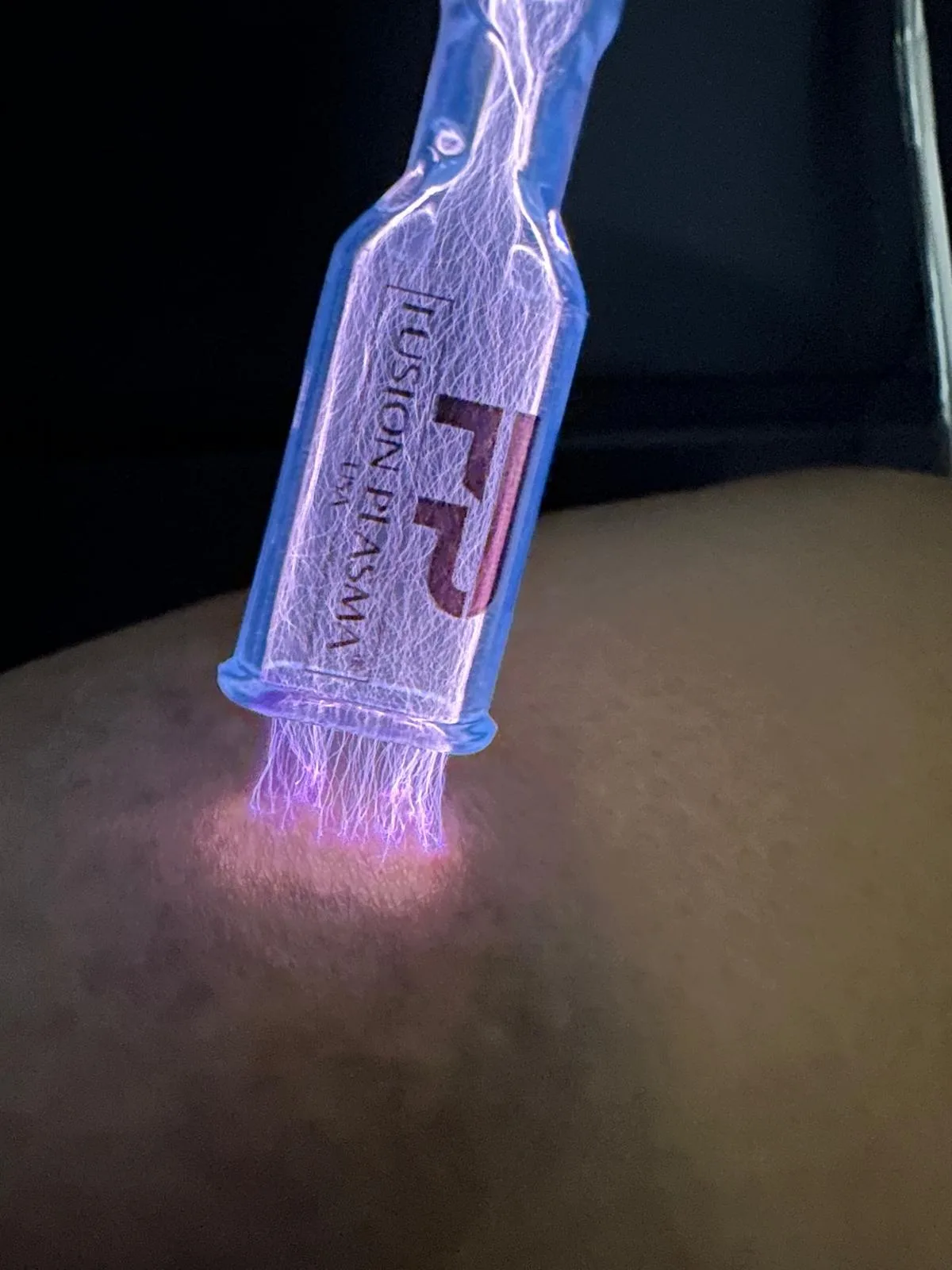
Visual Documentation

Real Atmospheric Plasma Generated by Fusion Plasma

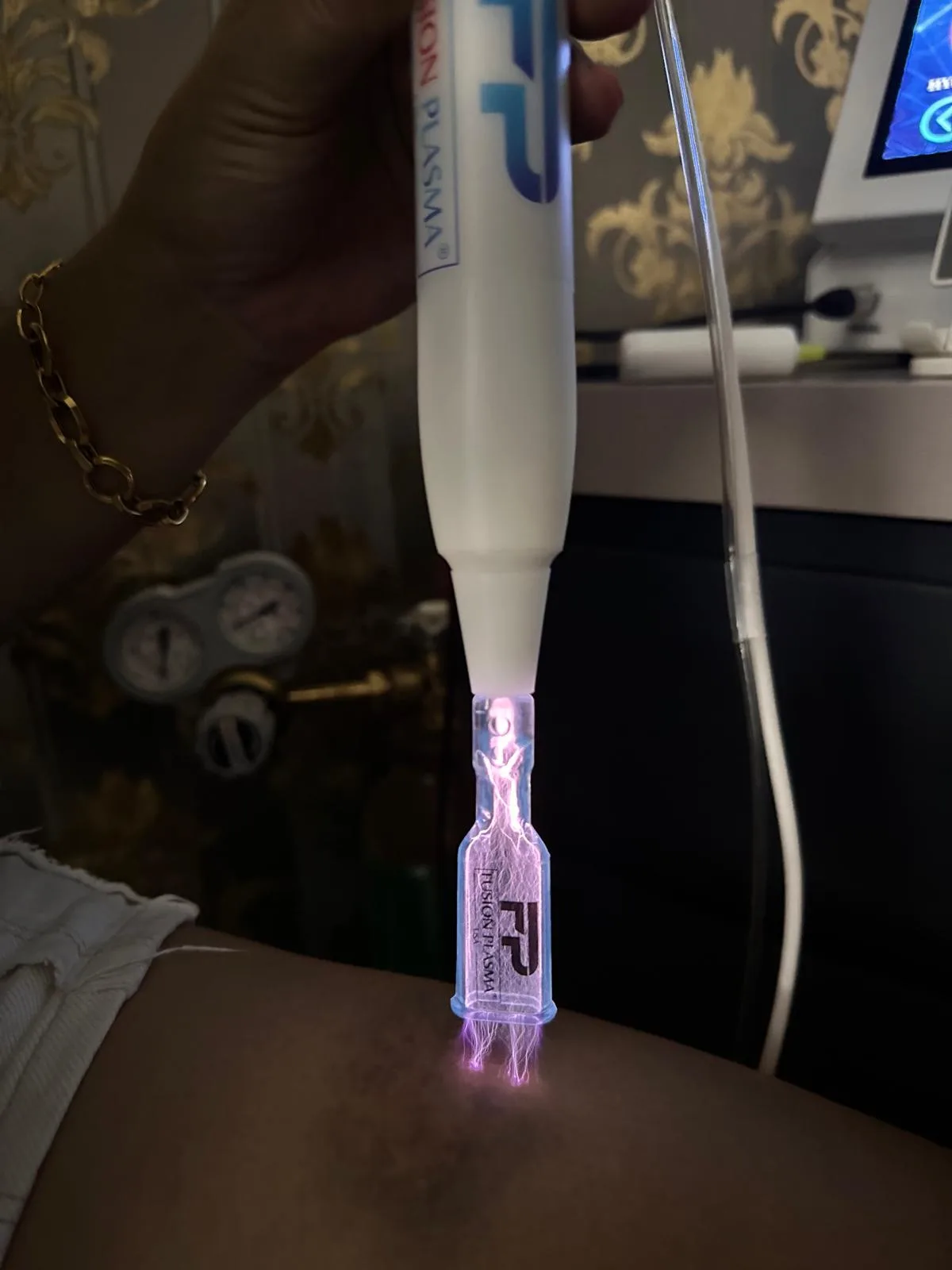
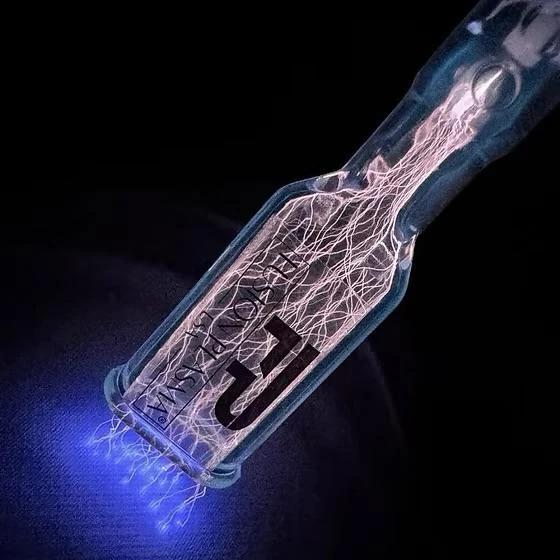
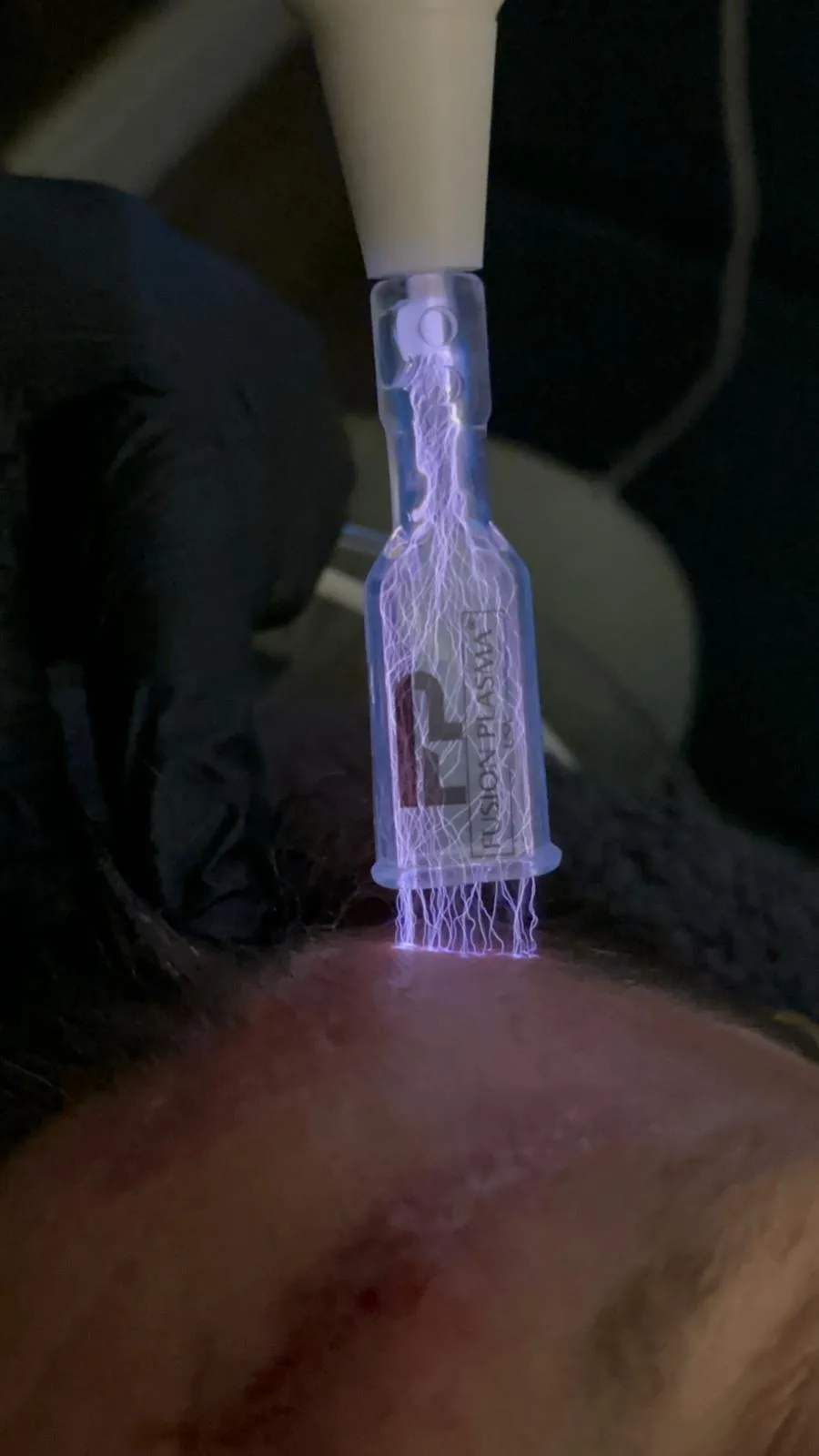
Unlike conventional illustrations, these images show actual atmospheric plasma generated by the Fusion Plasma system using controlled ionization of argon gas under atmospheric pressure.

Hyper Plasma Tip — Live Discharge
Original Product Photo

Hyper Plasma Tip — Live Discharge

Cold plasma from the Hyper tip on skin during a session

Cold Plasma Filaments
Original Product Photo

Cold Plasma Filaments

Argon plasma filaments at the Hyper tip

Derma Plasma Tip
Original Product Photo

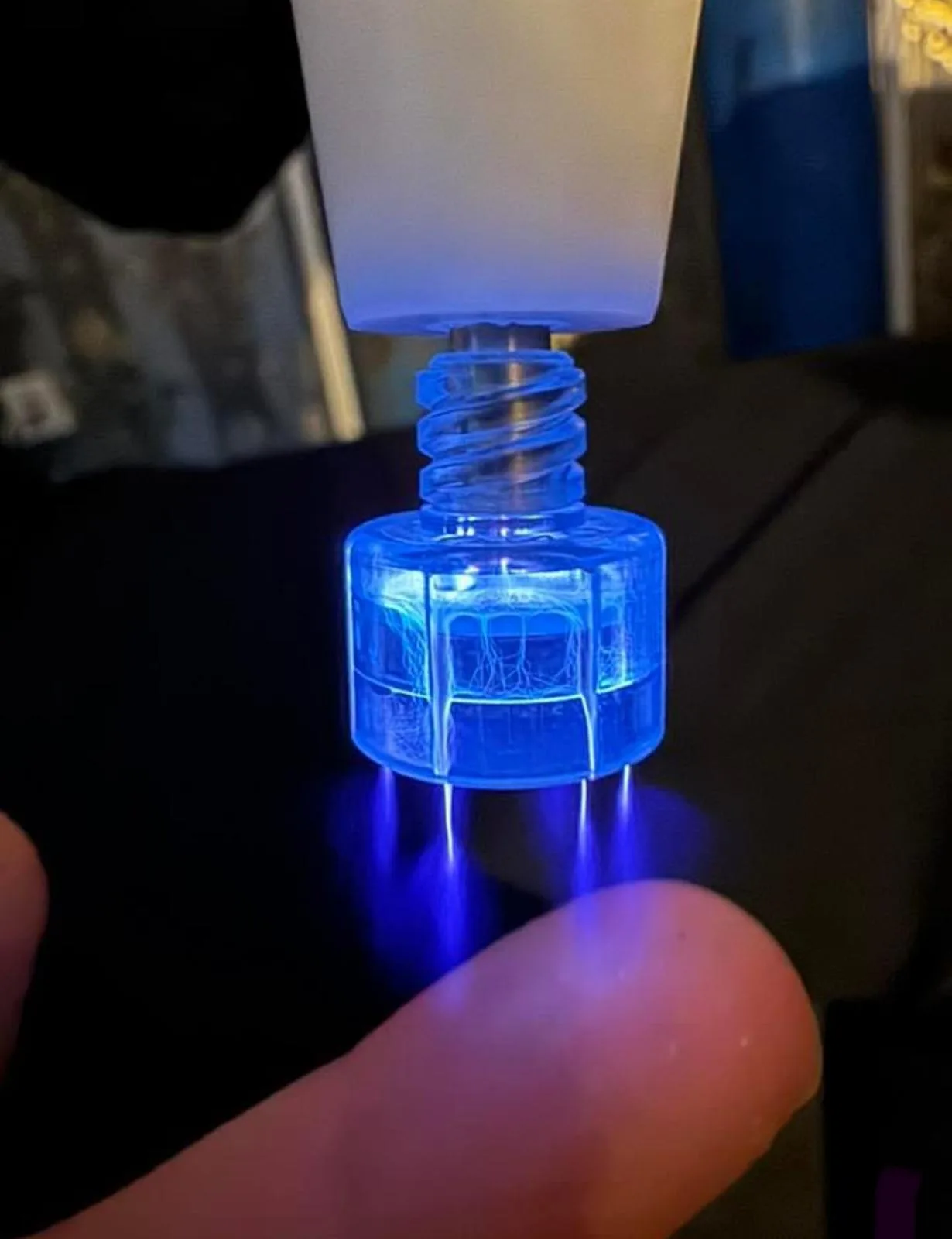
Derma Plasma Tip

Cold plasma pins of the Derma tip

Clinical Application
Original Product Photo

Clinical Application

Hyper tip in use on a client

Hyper Plasma Tip
Original Product Photo

Hyper Plasma Tip

Argon plasma glowing inside the Hyper tip

Scientific Research

Published research on cold plasma

Cold atmospheric plasma is a broad field of scientific research carried out at universities and hospitals around the world. Below is a selection of peer-reviewed reviews and clinical studies.

These publications concern cold plasma technology in general; they were not conducted with Fusion Plasma devices. Fusion Plasma is a CE-certified cosmetic device and is not intended to diagnose or treat disease.

Reviews

  1. Cold atmospheric plasma (CAP): a revolutionary approach in dermatology and skincare

    Khalaf AT, Abdalla AN, Ren K, Liu X · European Journal of Medical Research 29:487 · 2024

    Recent review of cold plasma in dermatology, skin health and skincare.

  2. Plasma Dermatology: Skin Therapy Using Cold Atmospheric Plasma

    Tan F, Wang Y, Zhang S, Shui R, Chen J · Frontiers in Oncology 12:918484 · 2022

    Review of the effects of cold plasma on skin lipids, cells, histology and blood circulation, and its study in wound healing, inflammatory and infectious skin conditions and alopecia.

  3. Cold atmospheric plasma applications in dermatology: A systematic review

    Gan L, et al. · Journal of Biophotonics 14(3):e202000415 · 2021

    Systematic review of 166 studies on cold atmospheric plasma in dermatology, searched in PubMed, Embase and Web of Science.

  4. Plasma Medicine: A Field of Applied Redox Biology

    von Woedtke T, Schmidt A, Bekeschus S, Wende K, Weltmann KD · In Vivo 33(4):1011–1026 · 2019

    Explains that biological plasma effects are mainly mediated by reactive oxygen and nitrogen species, and describes the dose-dependent effects of cold plasma.

  5. Plasma Medicine: Applications of Cold Atmospheric Pressure Plasma in Dermatology

    Bernhardt T, et al. · Oxidative Medicine and Cellular Longevity 2019:3873928 · 2019

    Review of cold atmospheric plasma in dermatology: antimicrobial, anti-inflammatory and tissue-stimulating effects, and the plasma sources in use.

  6. Plasma medicine: possible applications in dermatology

    Heinlin J, et al. · JDDG – Journal der Deutschen Dermatologischen Gesellschaft 8(12):968–976 · 2010

    Overview of possible dermatological uses of plasma, including tissue regeneration and skin infections.

  7. Plasma medicine: an introductory review

    Kong MG, Kroesen G, Morfill G, et al. · New Journal of Physics 11:115012 · 2009

    Introductory review of the field: how room-temperature, atmospheric-pressure plasmas work and where they can be used in health care and hygiene.

Clinical studies

  1. A Prospective, Randomised, Controlled, Split-Face Clinical Trial to Assess the Safety and the Efficacy of Cold Atmospheric Plasma in the Treatment of Acne Vulgaris

    Karrer S, et al. · Applied Sciences 11(23):11181 · 2021

    Split-face trial (34 patients): cold helium plasma was safe and well tolerated, with a moderate reduction in acne lesions and better patient ratings of appearance on the treated side.

  2. Successful and safe use of 2 min cold atmospheric argon plasma in chronic wounds: results of a randomized controlled trial

    Isbary G, et al. · British Journal of Dermatology 167(2):404–410 · 2012

    Randomized controlled study (24 patients): 2-minute cold argon plasma treatments reduced bacterial load without side effects.

  3. A first prospective randomized controlled trial to decrease bacterial load using cold atmospheric argon plasma on chronic wounds in patients

    Isbary G, et al. · British Journal of Dermatology 163(1):78–82 · 2010

    Randomized controlled phase II study (38 wounds, 36 patients): daily cold argon plasma reduced bacterial load in treated wounds by 34% and was well tolerated.

  4. Evaluation of plasma skin regeneration technology in low-energy full-facial rejuvenation

    Bogle MA, Arndt KA, Dover JS · Archives of Dermatology 143(2):168–174 · 2007

    Small study (8 volunteers) of thermal nitrogen-plasma skin regeneration: three low-energy full-face treatments improved facial wrinkles and appearance with short recovery.

Ready to Experience the Science?

Knowledge leads to better outcomes.

Understanding the science behind Fusion Plasma helps you choose the right protocols, set accurate patient expectations, and deliver consistent clinical results.

Explore DevicesTalk to a Specialist
Fusion Plasma USA

Fusion Plasma USA is a pioneering leader in Cold Plasma technology, advancing aesthetic and wellness solutions through innovative and patented devices.

Products

  • Fusion Plasma Pro
  • Fusion Plasma Cold&Warm
  • All Products

Company

  • Dealers
  • Technical Support
  • Encyclopedia
  • Blog
  • Training
  • About Us
  • Invention & Patent
  • Contact

Contact

  • 🇺🇸+1 310 290 4851Calls only
  • 🇹🇷+90 530 375 0776WhatsApp only
  • 🇺🇸+1 (407) 770-9696WhatsApp only
  • contact@fusionplasma-usa.com
  • info@fusionplasma-usa.com
  • USA | Türkiye

© 2026 Fusion Plasma USA. All rights reserved.

Privacy PolicyTerms & Conditions