Active Acne
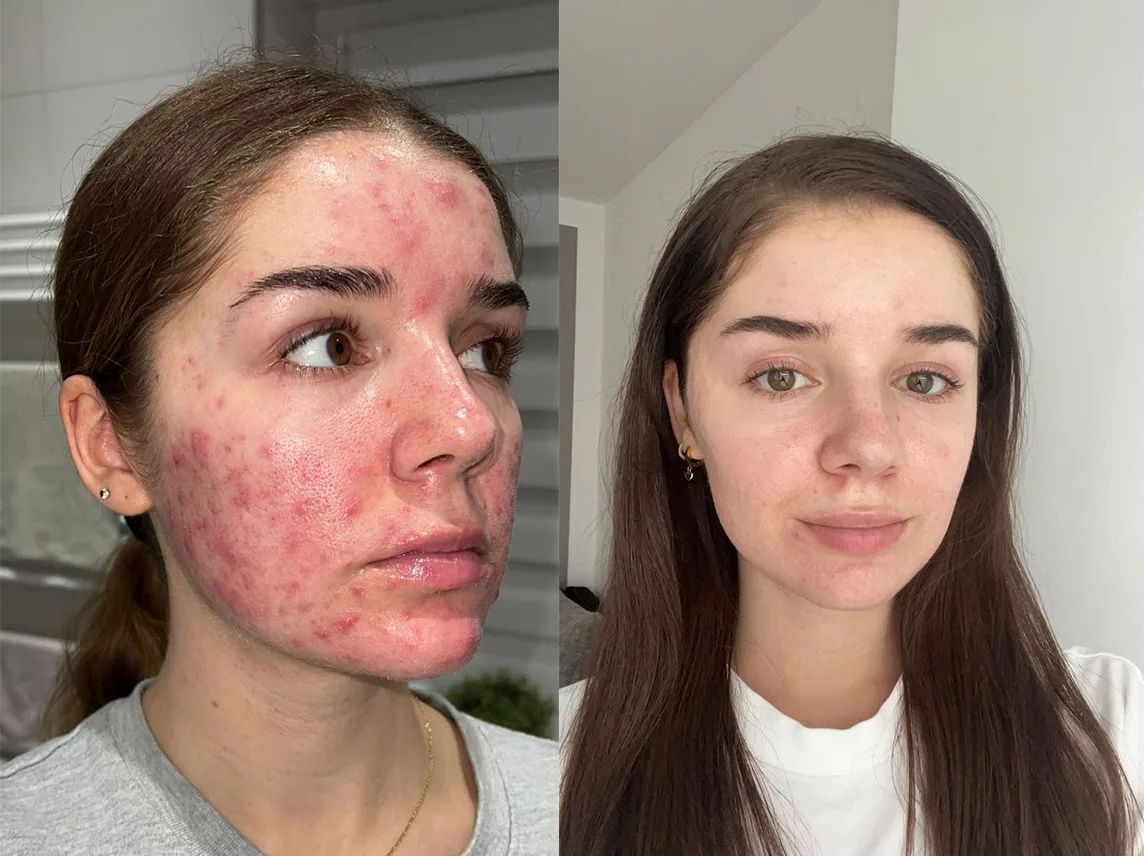
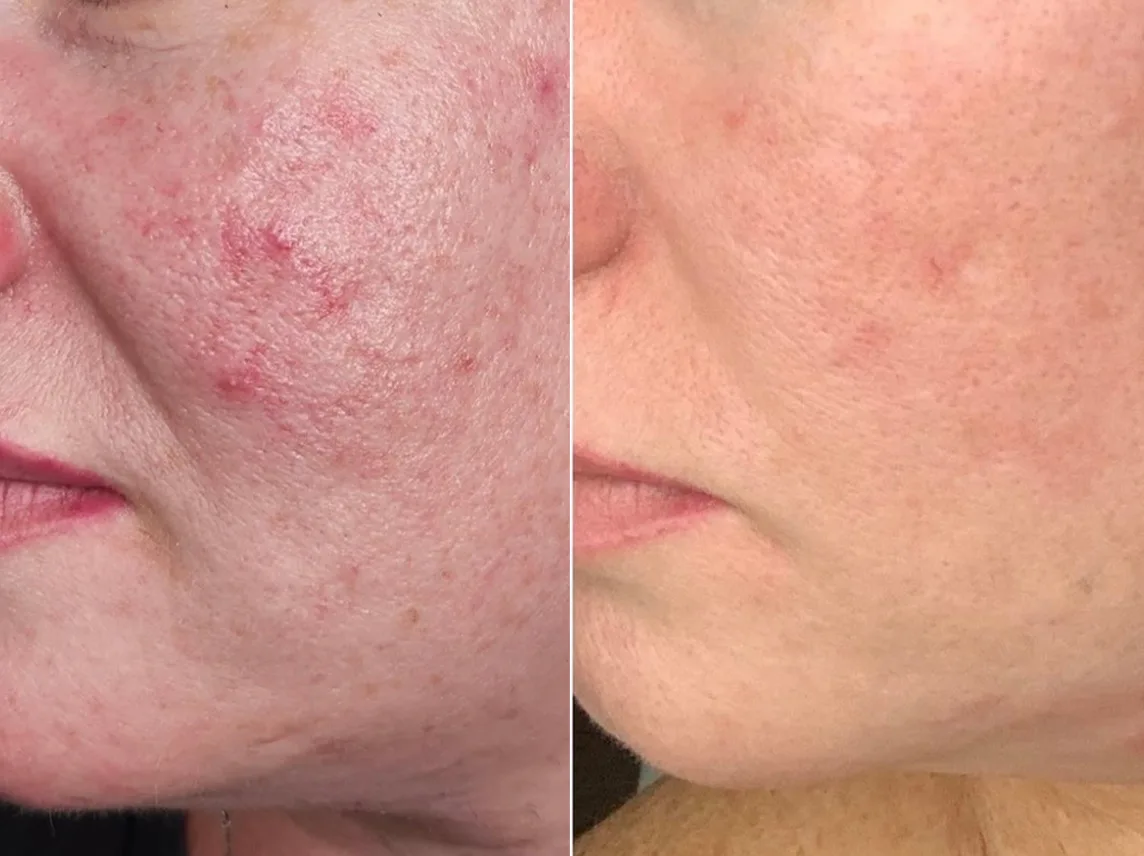
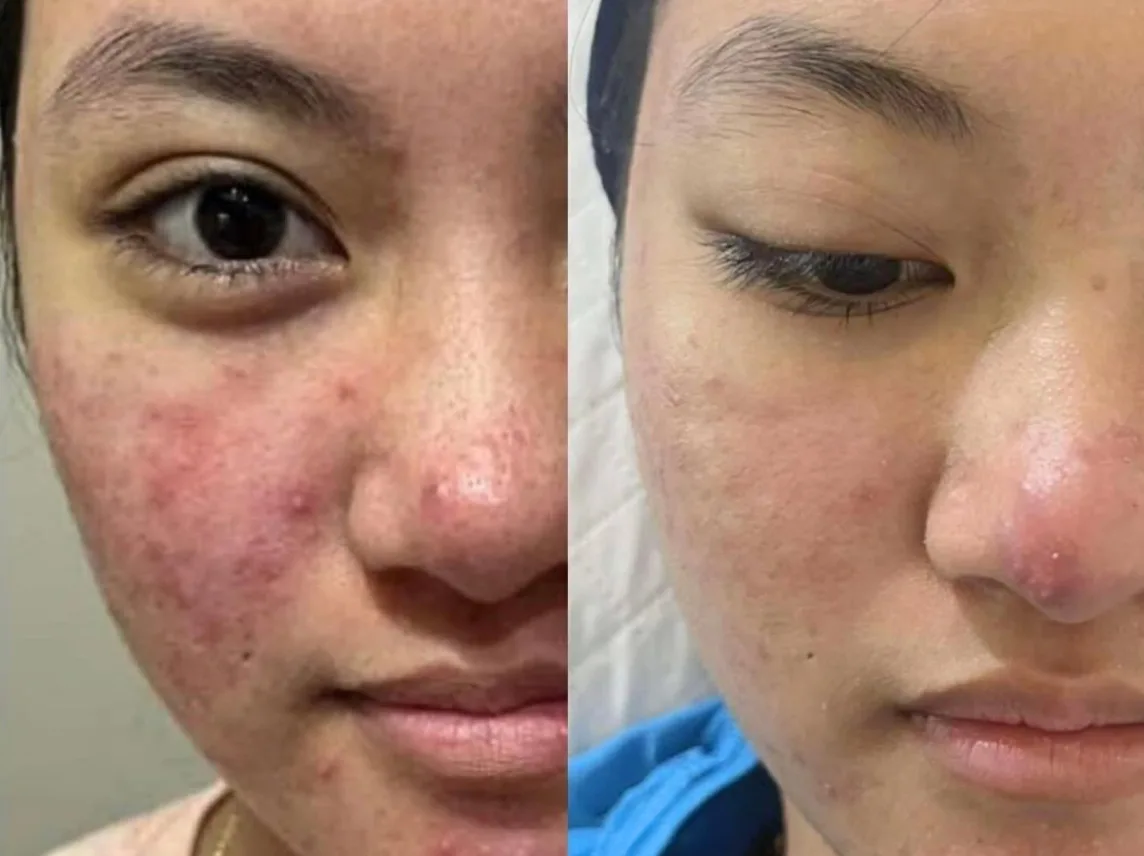
Targeted sterilization, not thermal damage — clear skin from the first session
 Before
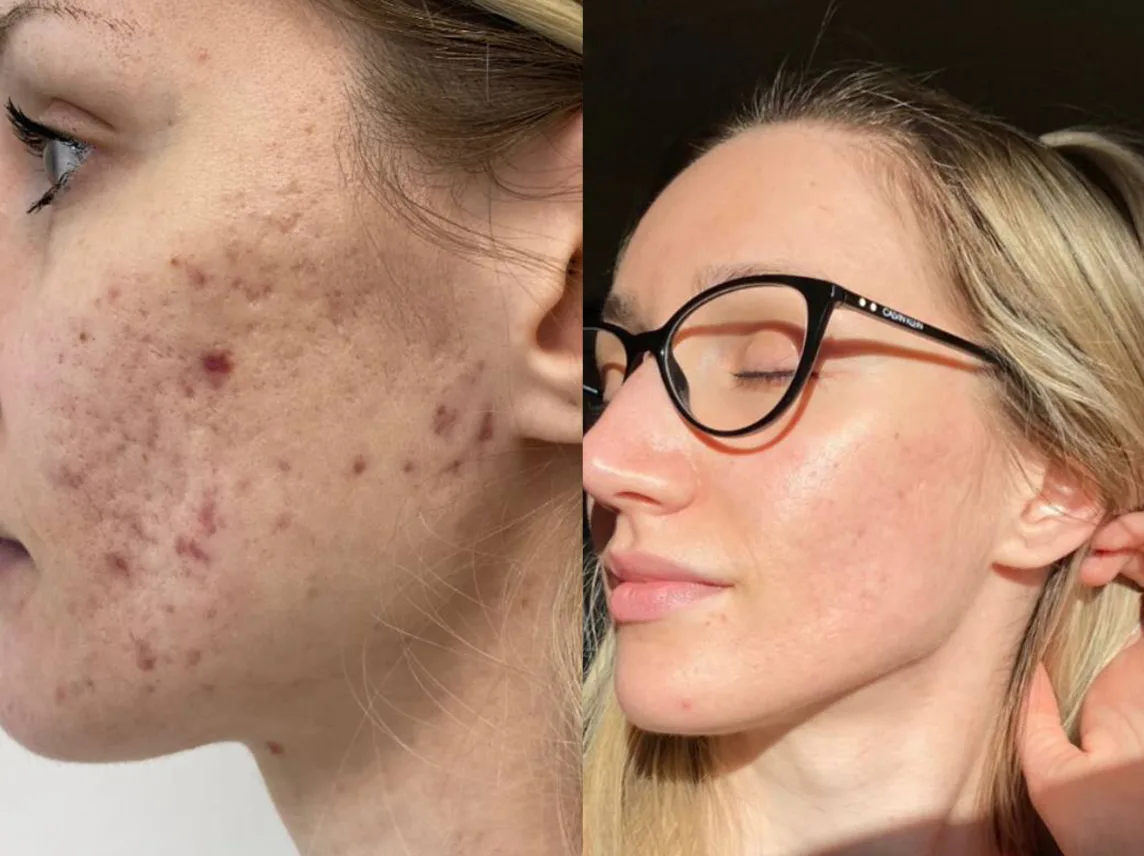 After
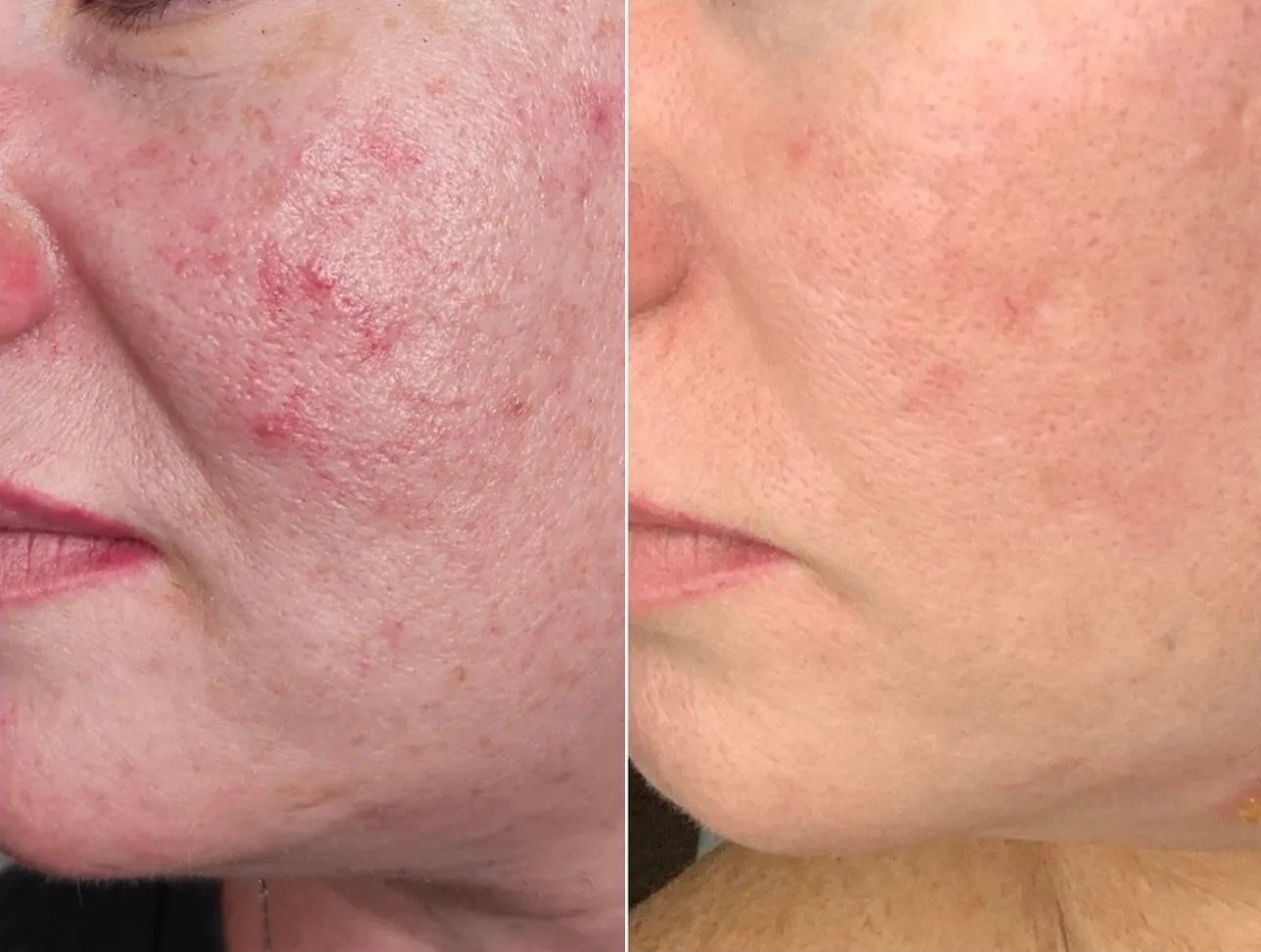
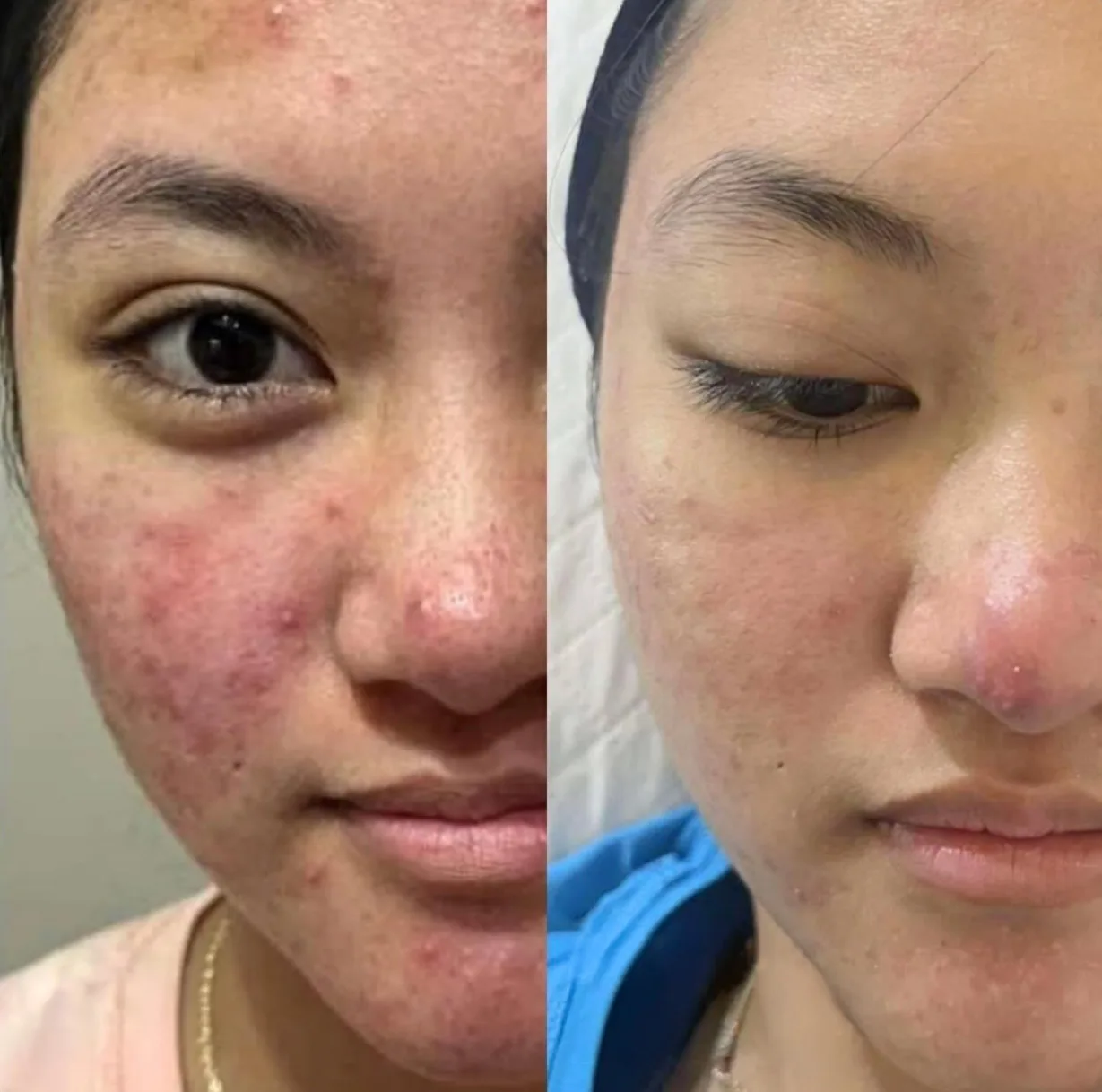
About the Condition
Acne begins when the hair follicle becomes clogged with dead skin cells and sebum. In this oxygen-deprived environment, Cutibacterium acnes bacteria multiply rapidly, the immune system responds, and an inflamed lesion forms. The redness, swelling, and pain of a pimple result not from the bacteria itself but from the body's inflammatory response to it.
How Plasma Works
At the center of the application is ozone plasma. This tip operates in the 70–80°C range and produces a very high concentration of ozone gas. Ozone is a powerful oxidant and antimicrobial agent; when applied directly to the lesion, it oxidizes the bacterial cell wall, rendering it inactive. As the bacterial load decreases, inflammation subsides. In the second stage, hyper plasma (30–35°C) is applied to the entire face, sterilizing the skin surface — this suppresses new lesion formation in surrounding follicles. At the same time, it stimulates cell regeneration and collagen production, supporting the closure of existing lesions without scarring. The critical feature of the mechanism: the effect is targeted sterilization, not thermal damage. The skin is not burned, peeled, or dried out; return to social life is immediate, and the procedure can be performed on sensitive skin.
Application Protocol
Clinical Notes
Depending on the lesion type, the Plasma Jet tip (50–70°C) may also be used. Since it is in the cold plasma class, only temporary mild redness may occur. Active acne and acne scars are completely different protocols — active lesions must be brought under control first, then scar treatment follows.
Contraindications
- Pregnancy and breastfeeding
- Metal implants in the treatment area
- Seizure or epilepsy history
- Pacemaker and other electronic implants
Protocol Details
Treatment Outcomes
- Rapidly reduces active inflammatory acne
- Prevents new breakout formation
- Calms redness and skin irritation
- No systemic medication required
- Safe for sensitive and reactive skin
- Zero social downtime
Interested in This Treatment?
Our expert team has prepared a specialized protocol for Active Acne treatment.
Demo & ConsultationGet Protocol Training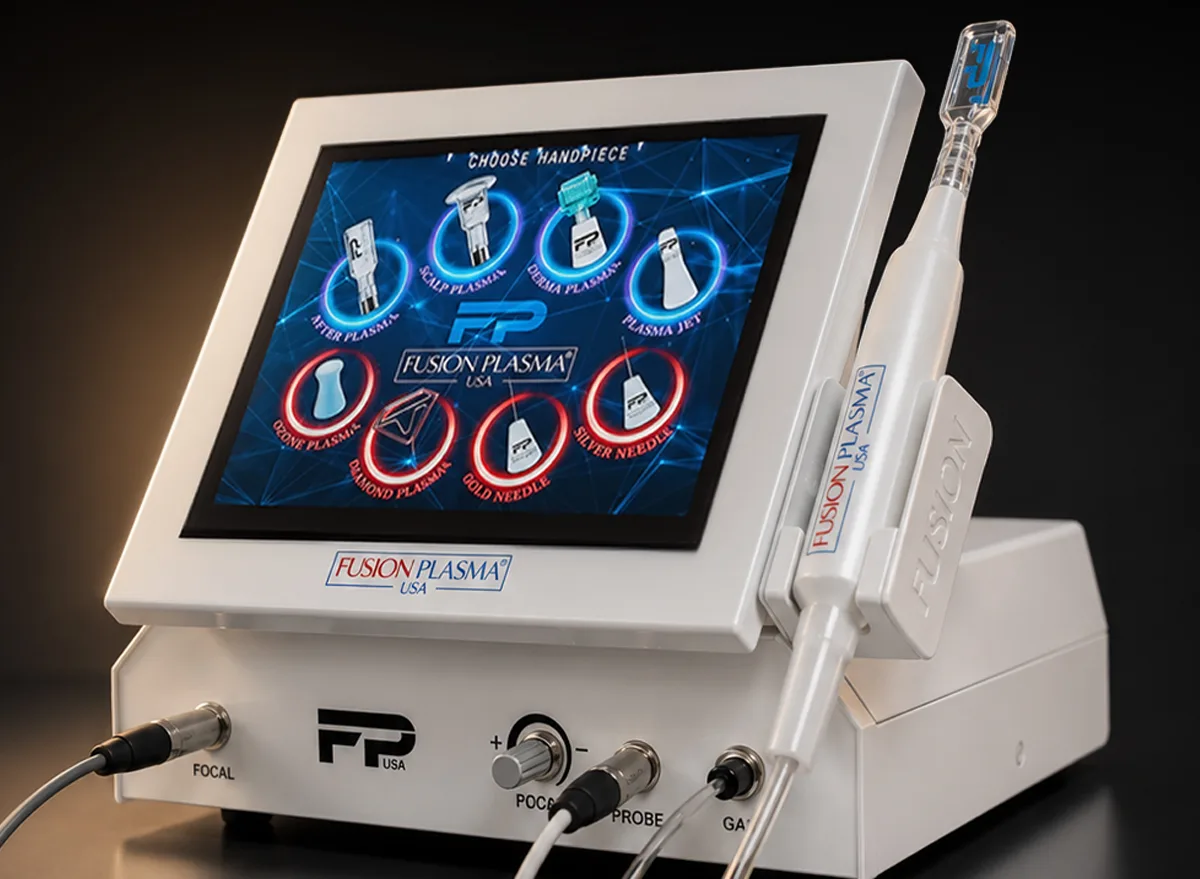
Fusion Plasma Pro Technology
This treatment is performed using a clinically developed protocol with the Cold Plasma and Warm Plasma technologies of the Fusion Plasma Pro device.